The quiet elegance of farmhouse style interior design continues to capture hearts across the U.S. and beyond. More than just a trend, it’s a lifestyle choice rooted in simplicity, warmth, and a deep appreciation for handcrafted details. Whether you’re updating a single room or remodeling your whole home, mastering the essentials of farmhouse style can turn any space into a sanctuary of relaxed charm and lasting appeal.
Embrace Natural Materials and Textures
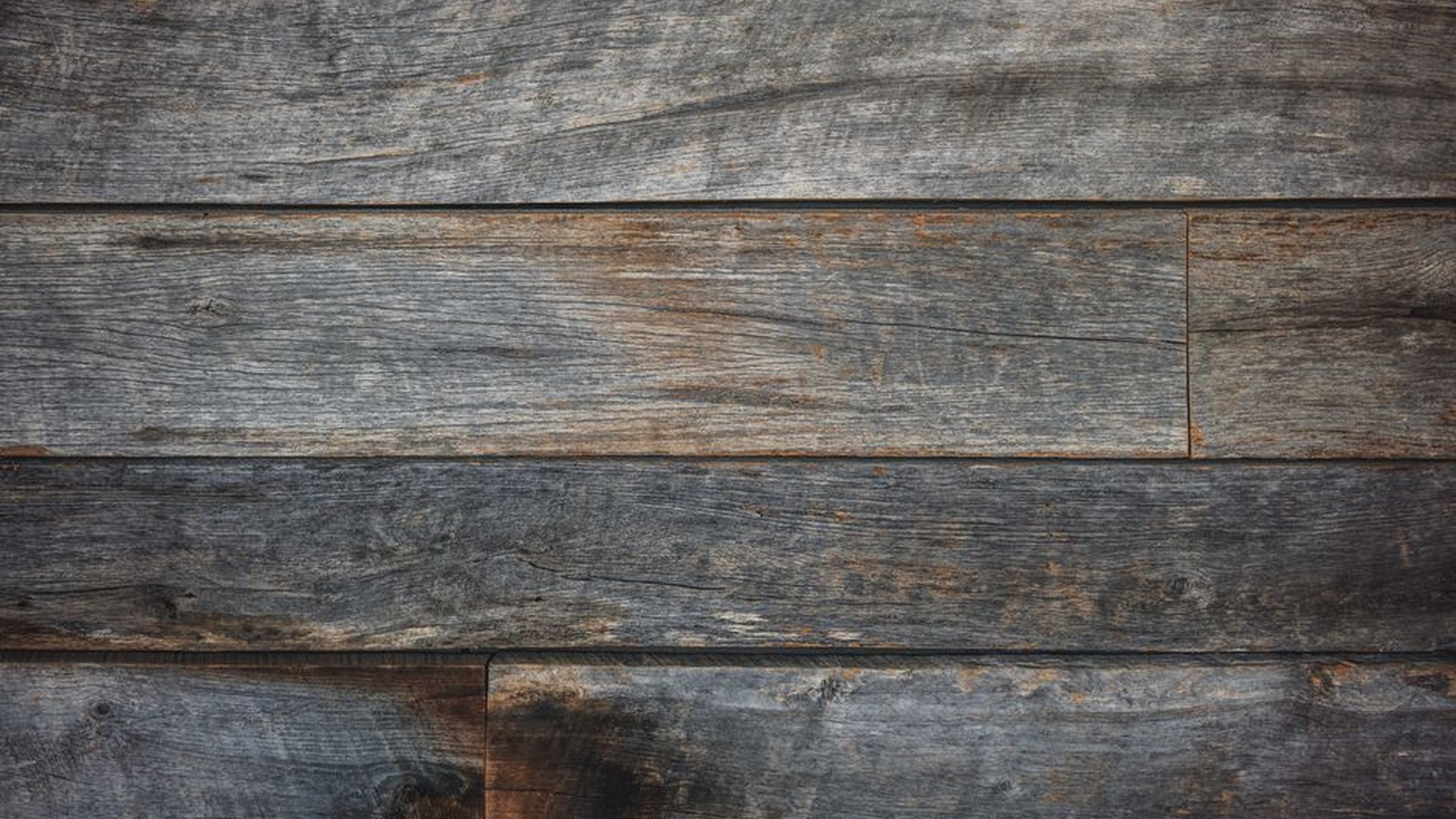
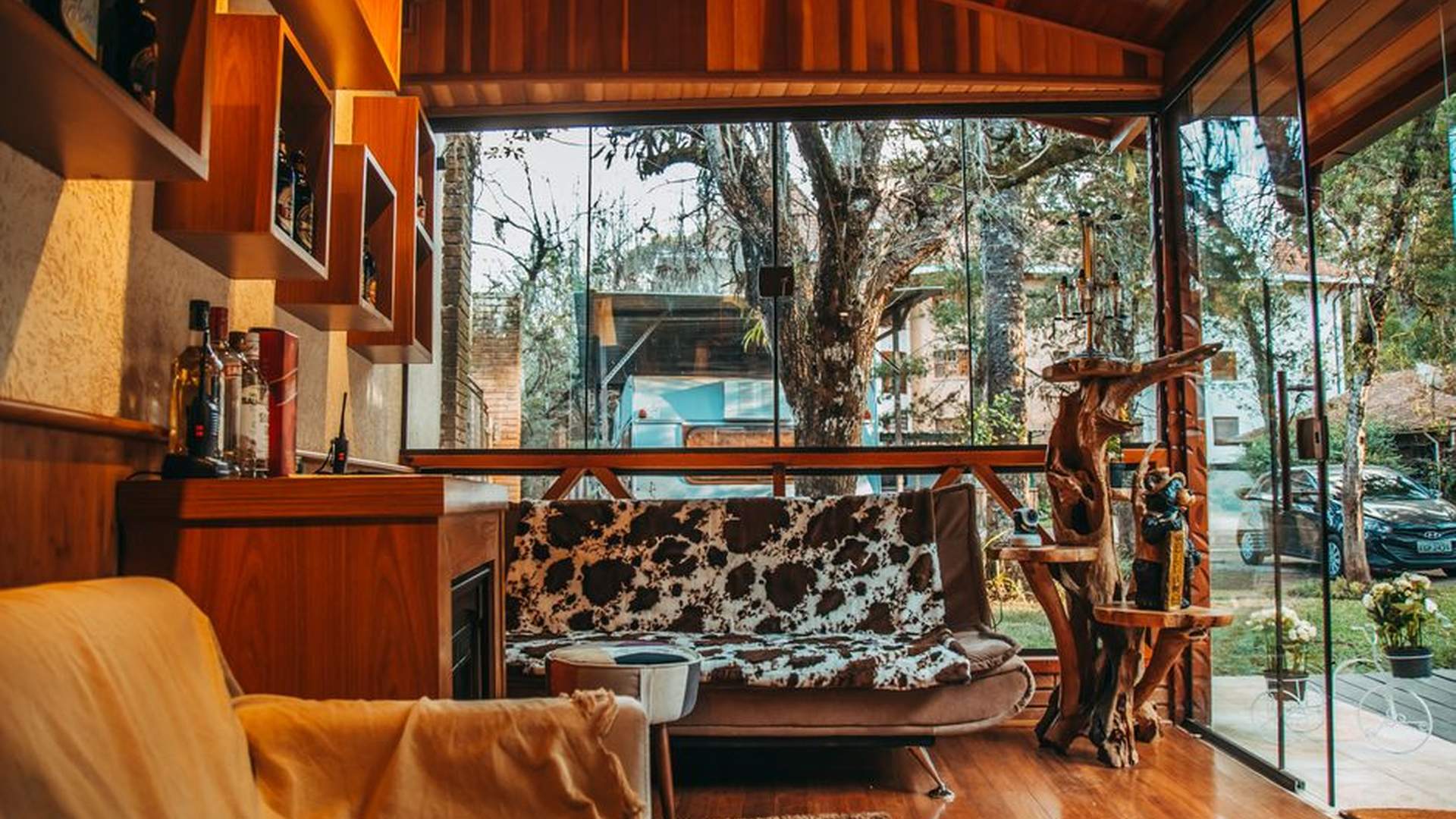
At the heart of farmhouse style is a strong connection to nature. Think rough-hewn wood, weathered finishes, and soft, organic fabrics. The moment you step into a well-designed farmhouse space, you should feel the texture under your hands—the cool grain of a reclaimed oak table, the rough weave of a linen throw, the softness of a woolen rug. These tactile elements aren’t just decorative; they’re part of a larger story about authenticity and craftsmanship.
Start by selecting furniture made from solid wood—especially oak, walnut, or pine—with visible grain and a slightly aged look. Avoid overly polished finishes; instead, opt for matte or lightly distressed surfaces that show signs of wear. Use natural fabrics like cotton, linen, and burlap for curtains, pillows, and bedding. A simple barn door made from reclaimed wood can anchor a room with both function and character. These materials don’t just look good—they age beautifully, developing a unique patina over time.
Stick to a Calm, Earth-Toned Color Palette
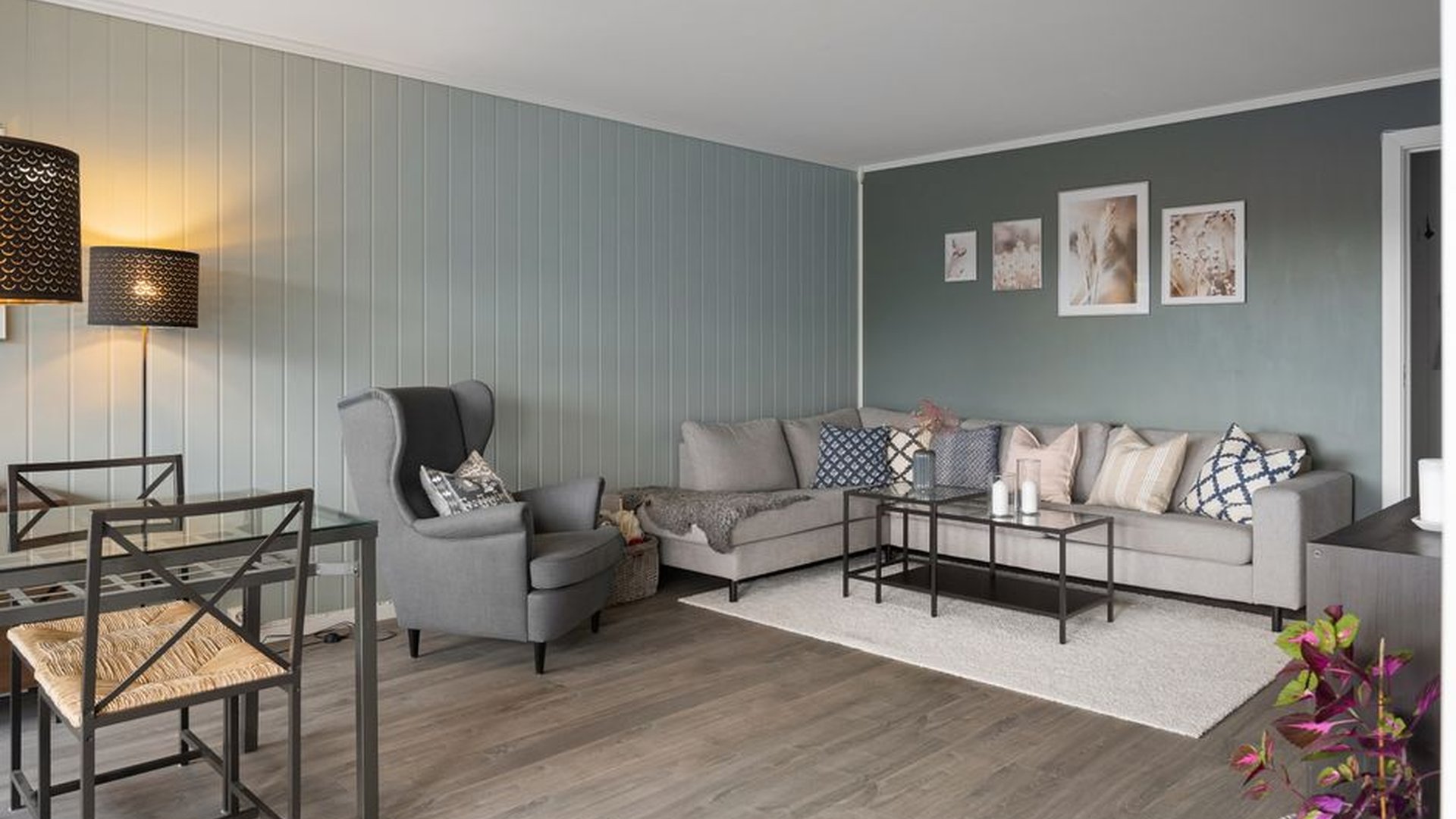
Farmhouse style thrives on balance, and color plays a crucial role in establishing that harmony. Think soft whites, warm grays, muted greens, and gentle blues—colors that mirror the natural world. These tones don’t shout; they whisper, creating a serene atmosphere that feels both modern and timeless.
Paint your walls in a soft white with a hint of warm beige—something like Benjamin Moore’s “Revere Pewter” or Sherwin-Williams’ “Accessible Beige.” These shades reflect light beautifully and provide a neutral base that lets textures and details shine. Use contrast sparingly: add a splash of muted sage on a kitchen cabinet or a deep navy on a dining bench to create subtle interest without overwhelming the space.
Don’t forget about flooring. Wide-plank hardwood in a light gray stain brings warmth and depth. If you’re open to alternatives, consider wide-boarding in natural wood or even stone tiles with a worn, matte finish. The key is consistency—don’t mix modern black tiles with white shiplap walls unless you’re going for a high-contrast industrial farmhouse, which isn’t the classic approach.
Layer in Vintage and Handmade Touches
Nothing says farmhouse quite like a mix of antique finds and handcrafted details. This isn’t about collecting expensive antiques—it’s about curating meaning. Each item should feel lived-in, as if it has a story to tell.
Walk through a small-town thrift shop in Vermont in late autumn, and you might find a milk jug with a chipped handle, a cast-iron skillet with faint smoke marks, or a weathered wooden crate used to store apples. These aren’t just objects—they’re relics of a slower, more deliberate way of life. Place that crate under a window as a shelf. Hang the skillet above your stove. Use the jug as a vase for dried lavender.
Look for handmade pottery in simple glazes—cream, oatmeal, or deep brown. Display a vintage farmhouse table with mismatched chairs, not because they’re perfect, but because their imperfections create a sense of belonging. A hand-stitched quilt draped over a couch, a wrought-iron chandelier from a 19th-century barn, or even a faded map of the American Midwest framed on the wall—all of these contribute to a layered, lived-in feel.

Focus on Functionality Without Sacrificing Beauty
Farmhouse style isn’t just about looks. It’s built on practicality. A farmhouse kitchen isn’t just an Instagrammable space—it’s a place meant to cook, gather, and host. That’s why functionality must be woven into every design choice.
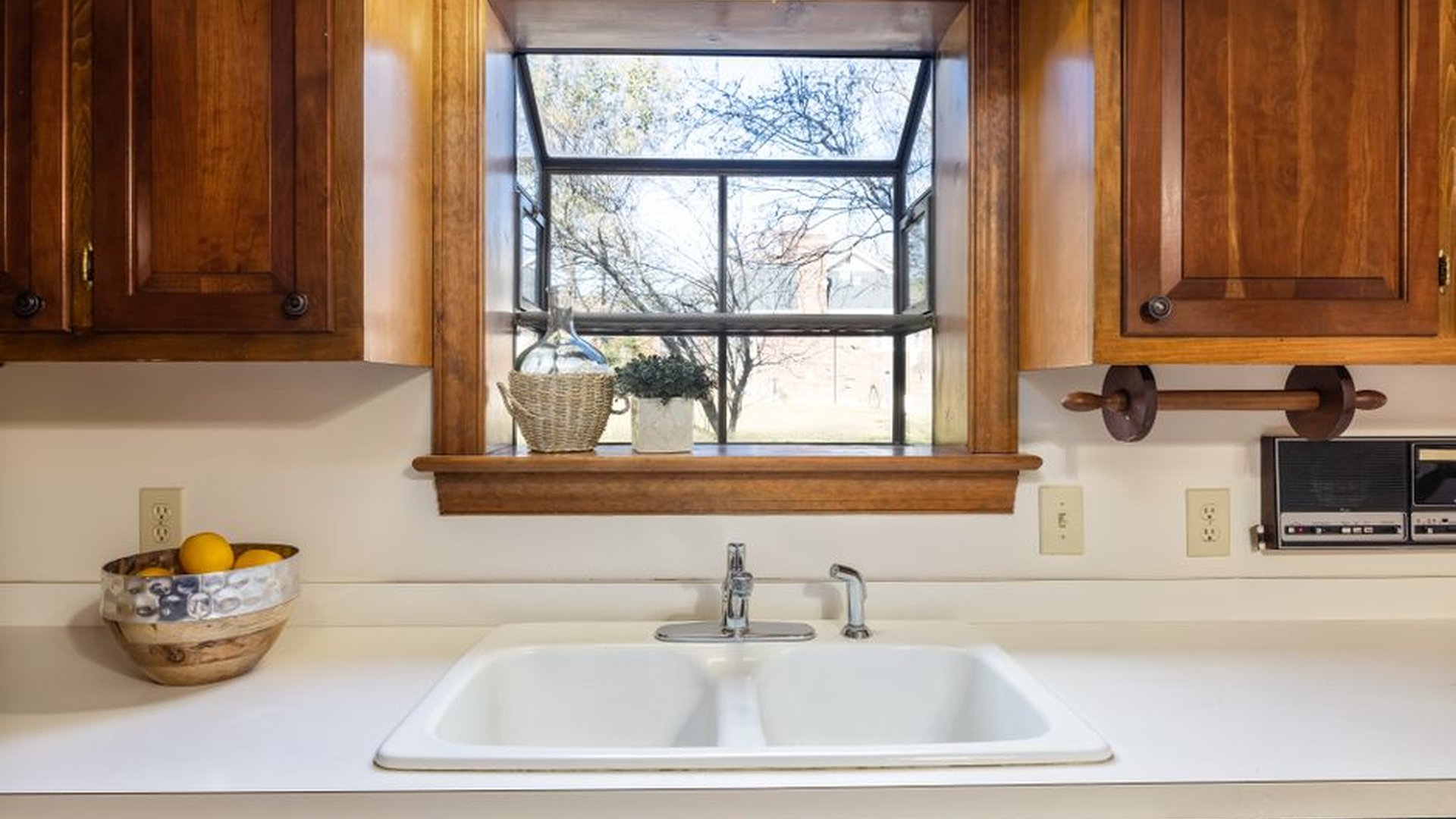
Think large farmhouse sinks with undermount basins and deep bowls. Use a solid wood kitchen island with a built-in cutting board and open shelving below for storing mugs, flour, and produce. A deep wooden drawer with wooden knobs can hold everything from spices to aprons. Everything should serve a purpose, yet still look intentional and beautiful.
In the living room, place a reclaimed wood coffee table where family members can rest their mugs or lay down a book. Add built-in wall shelves—both for displaying books and for hiding cords and remote controls. Use a heavy linen curtain with a wooden rod to block sunlight while keeping the room airy. These aren’t just design elements; they’re daily reminders of a home designed for real life.
Anchor the Space with a Signature Piece
Every successful farmhouse room has a centerpiece—an object or feature that draws the eye and defines the mood. It doesn’t have to be expensive. It just needs to feel real.
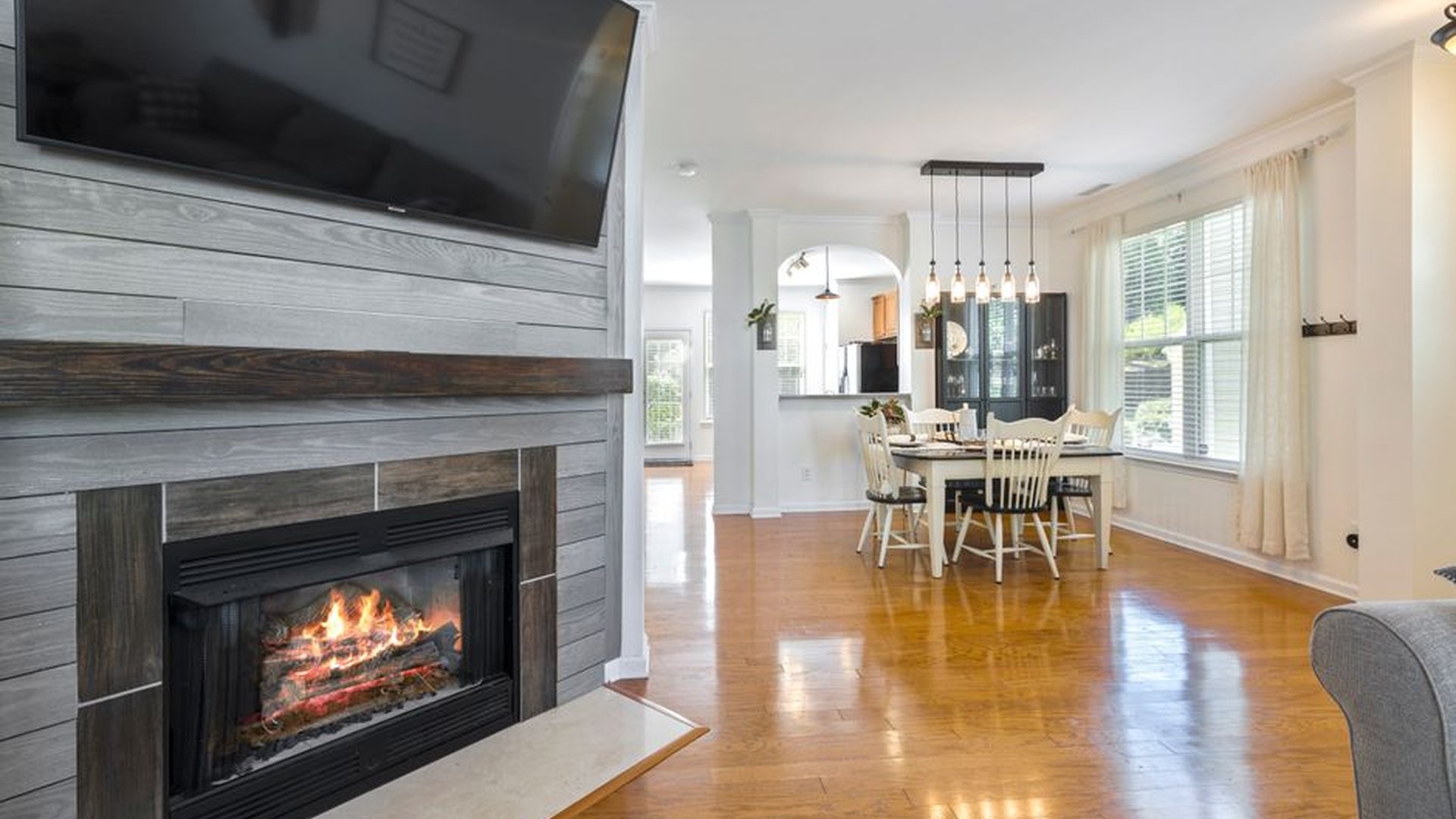
Consider a large, open fireplace with a stone surround and a deep hearth. Or a hand-carved wooden dining table that seats eight and has space for the family’s favorite family recipes glued to the underside. In a bedroom, a four-poster bed with a simple canopy made from white lace or muslin creates an instant sense of intimacy.
One homeowner in upstate New York transformed their narrow dining room into a rustic-chic haven by installing a 14-foot reclaimed barn wood table, flanked by mismatched wooden chairs, some with cushioned seats, others with open slats. They added a vintage brass chandelier made from old lantern parts, and hung a faded embroidered quilt over a wall-mounted bookshelf. The result? A room that feels both historic and welcoming, full of stories only regular life could write.
Ultimately, farmhouse style is about honesty—about creating spaces that honor the past while making room for today’s needs. It’s not about imitating perfection. It’s about embracing imperfection, valuing craft, and designing for people who live, laugh, and gather in real time.
Let your home reflect not just a style, but a way of being. That’s where farmhouse living truly begins.

.jpg)