Understanding Crib Size for Optimal Fit and Function
When you first walk into a nursery, the baby crib is often the focal point—simple, clean, and designed to cradle your tiny new arrival. But picking the right size isn’t just about fitting into the room; it’s about ensuring safety, longevity, and long-term usability. The standard U.S. crib size is 28 inches wide by 52 inches long, which is mandated by federal safety regulations. This size is designed to accommodate standard mattress dimensions, ensuring a snug fit that prevents dangerous gaps. When measuring your nursery, leave at least 24 inches of clearance on all sides for easy access and movement. This isn’t just about comfort—it’s about preventing accidental bumps, especially during nighttime feedings or diaper changes.
Some parents consider the ‘full-size’ crib, typically 31 inches wide, thinking it offers more room. But remember: a larger crib isn’t always better. It may not fit properly in a smaller nursery, and it can become a storage issue once the baby grows into a toddler bed. Plus, oversized cribs often lack secure attachment systems for conversion to a toddler bed, which can be a major drawback later on.
One real-life example comes from a couple in Portland, Oregon, who initially chose a full-size crib for its spacious look. After only four months, they realized the room felt cluttered, and the baby was already moving around too much for safety. They eventually returned the crib and switched to a standard-sized one, which not only fit better but also allowed them to install a safety rail when their child began crawling. The right size isn’t just about today—it’s about the journey ahead.
Top Safety Features to Prioritize in a Crib
Safety is non-negotiable when it comes to baby cribs. The American Academy of Pediatrics (AAP) recommends that babies sleep in the same room as parents for at least the first six months, ideally up to one year. This proximity reduces the risk of Sudden Infant Death Syndrome (SIDS) by as much as 50%. But even with close supervision, a properly designed and constructed crib is essential.
First, inspect the crib’s hardware. Look for solid wood or metal frames with no exposed screws or sharp edges. All screws, bolts, and connectors should be recessed or covered. Avoid cribs with adhesive labels or loose paint—these can peel off and become choking hazards. Also, check the manufacturer’s compliance with federal safety standards, including the 2011 Crib Safety Rule, which mandates that cribs must not allow a child’s head to get stuck between slats.
The slat spacing is critical. The distance between slats must be no more than 2 3/8 inches (approximately 6 centimeters). This prevents limbs or heads from getting trapped. After a routine inspection, a mom in Austin, Texas, found that her twin cribs had slightly wider slats due to minor warping over time. She immediately replaced them, noting, “I wouldn’t have known unless I measured it. A three-inch gap might not seem like much, but it’s enough to cause a panic if your baby’s head slips through.”
Another must-check feature is the mattress fit. The mattress should lie flat against all sides of the crib with no more than a 1-inch gap. Any larger and there’s a risk of the baby becoming wedged between the mattress and the frame. Always use a firm, flat mattress specifically designed for cribs—never use a couch cushion, foam pad, or furniture mattress. A soft mattress may seem cozy, but it increases the risk of suffocation.

Material Matters: Wood, Metal, and Eco-Friendly Options
The material of your baby’s crib isn’t just about appearance—it directly affects durability, maintenance, and environmental impact. Solid hardwoods like maple, oak, and birch are strong, long-lasting, and naturally resistant to splintering. A maple crib in a family in Seattle lasted over a decade, even after being passed down to a second child. “We used it as a toddler bed, then as a storage shelf for toys,” said the mother. “It hasn’t warped or cracked, even with daily use.”
Metal cribs, often made of steel or aluminum, offer a modern, minimalist look and are lighter to move. They’re ideal for parents who frequently rearrange the nursery or live in smaller spaces. However, metal cribs can dent if dropped or bumped, and some cheaper versions may use weaker alloys that bend under pressure.
For environmentally conscious buyers, eco-friendly options are gaining popularity. Look for cribs made from FSC-certified wood, non-toxic finishes, and low-VOC (volatile organic compound) paints. Some brands now use water-based stains and natural oils like linseed, which reduce chemical exposure. One family in Boulder, Colorado, chose a European-style birch crib with a natural oil finish. “We wanted something that felt safe and natural, like our own home. When our baby touched it, he didn’t flinch—just smiled. That meant everything.”
Always avoid cribs with particleboard or MDF (medium-density fiberboard), which can off-gas harmful chemicals and degrade over time. These materials are common in budget models but aren’t recommended for long-term use.
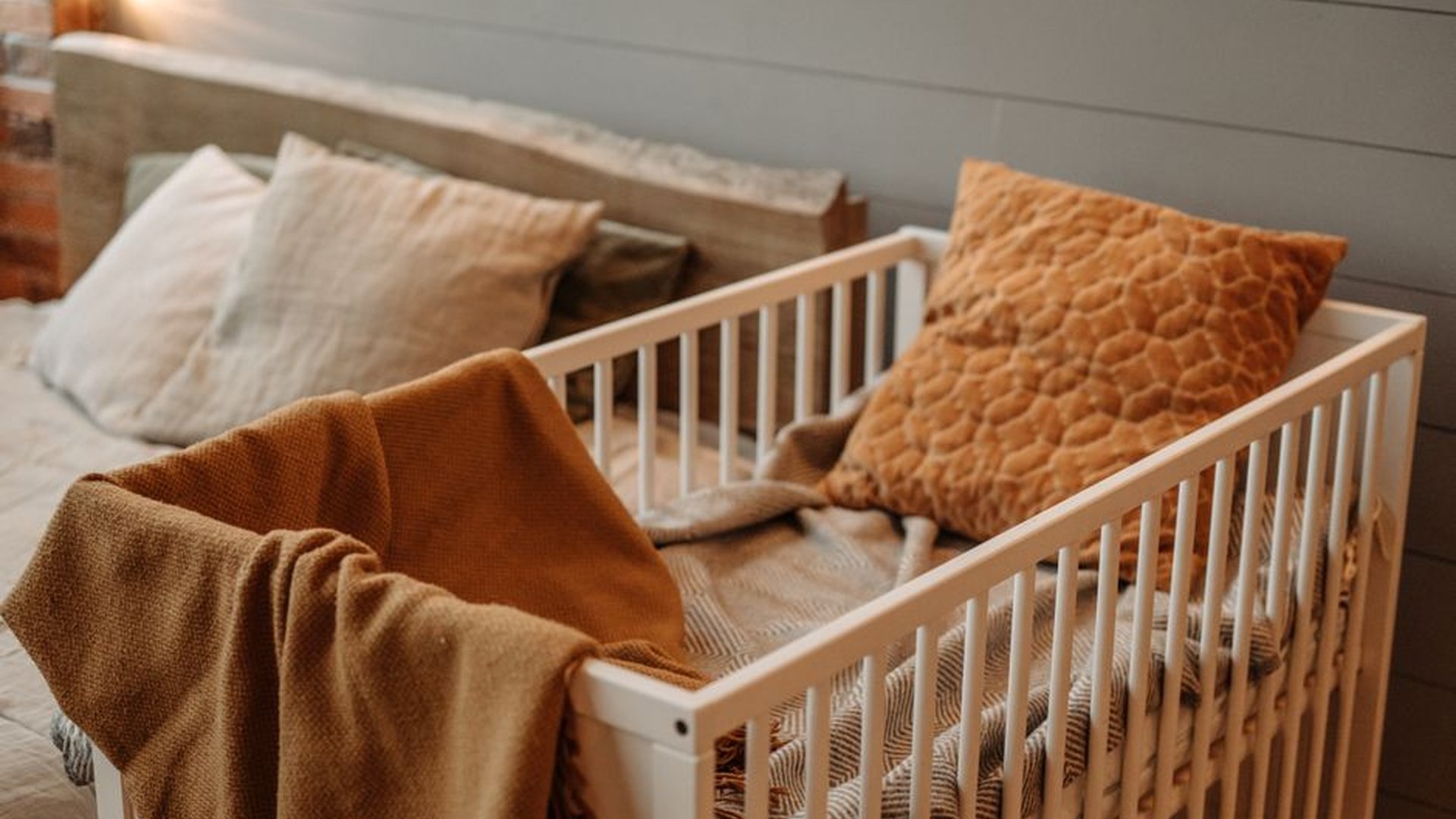
Style and Design: Blending Aesthetics with Practicality
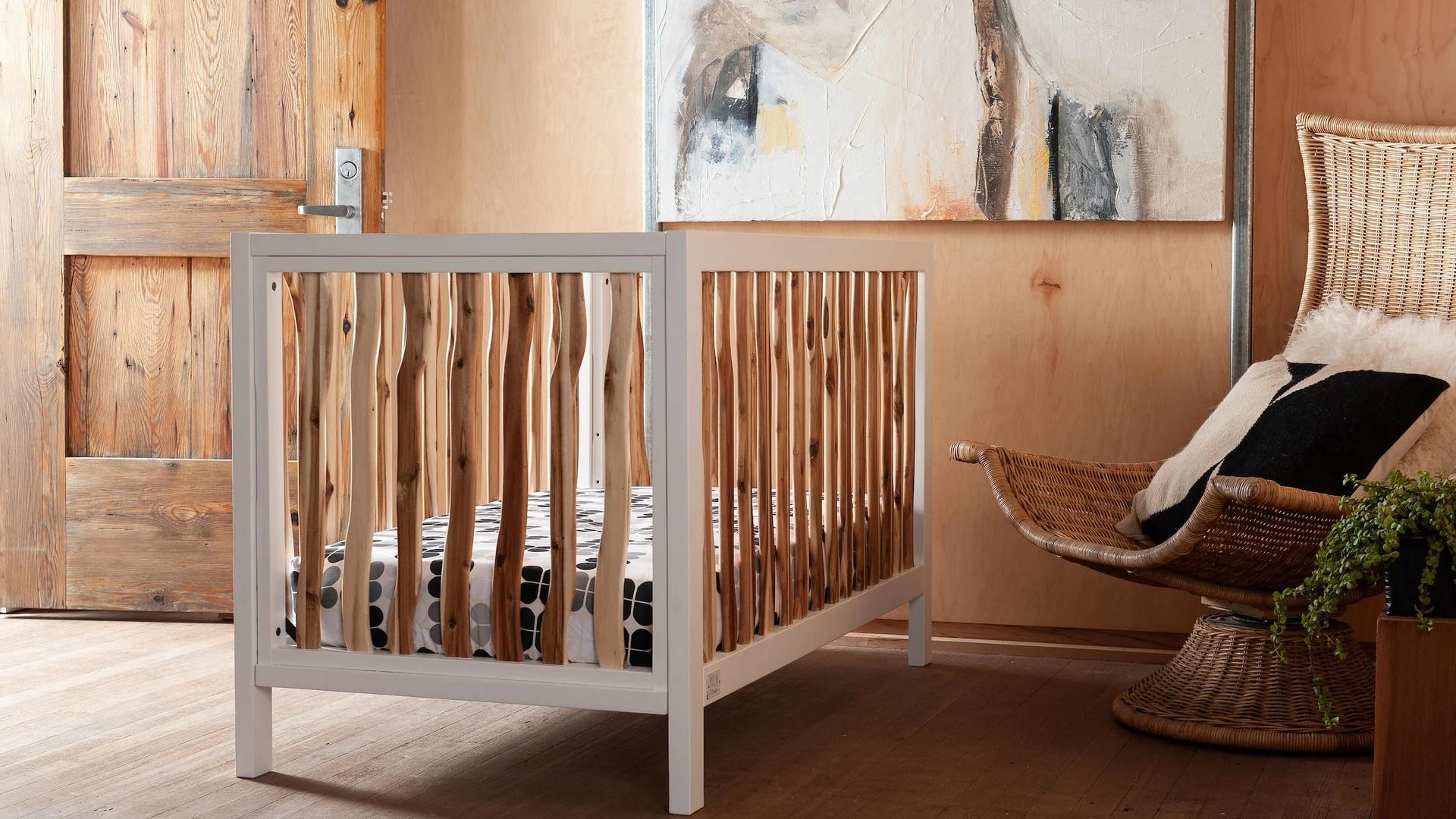
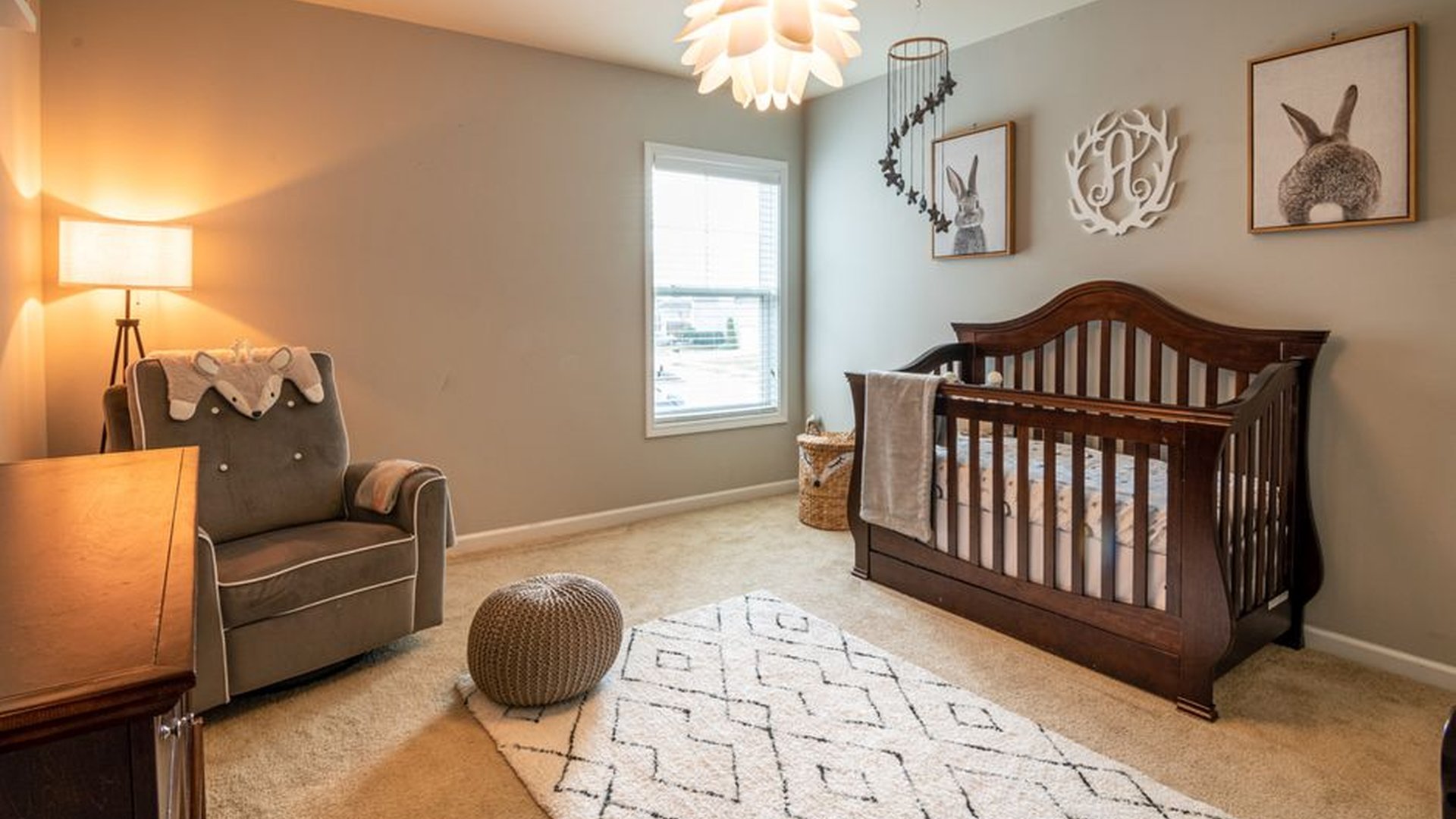
A baby’s crib isn’t just a piece of furniture—it’s a statement. Whether your nursery leans toward modern minimalist, rustic farmhouse, or Scandinavian simplicity, your crib should reflect the space’s overall vibe. But style must never compromise function. A beautifully carved wooden crib with intricate details might be visually stunning, but it’s not practical if the design creates hard-to-clean crevices where dust and bacteria can collect.
Consider a convertible crib. These models can transform from a baby bed into a toddler bed, then into a full-size bed with an optional add-on. A couple in Denver chose a convertible oak crib that eventually became a guest room bed after their child turned five. “It saved us thousands in replacement furniture. Plus, it gave the guest room a warm, handmade feel,” said the father.
Color and finish should also align with your nursery’s color scheme. Neutral tones like white, gray, and soft beige are popular because they pair well with almost any theme. But don’t shy away from intentional pops of color—deep navy, sage green, or warm taupe can add depth and personality. A nursery in Portland used a black-stained birch crib with a matching headboard, which contrasted brilliantly with pastel wall murals and white walls, creating a bold, artistic statement.
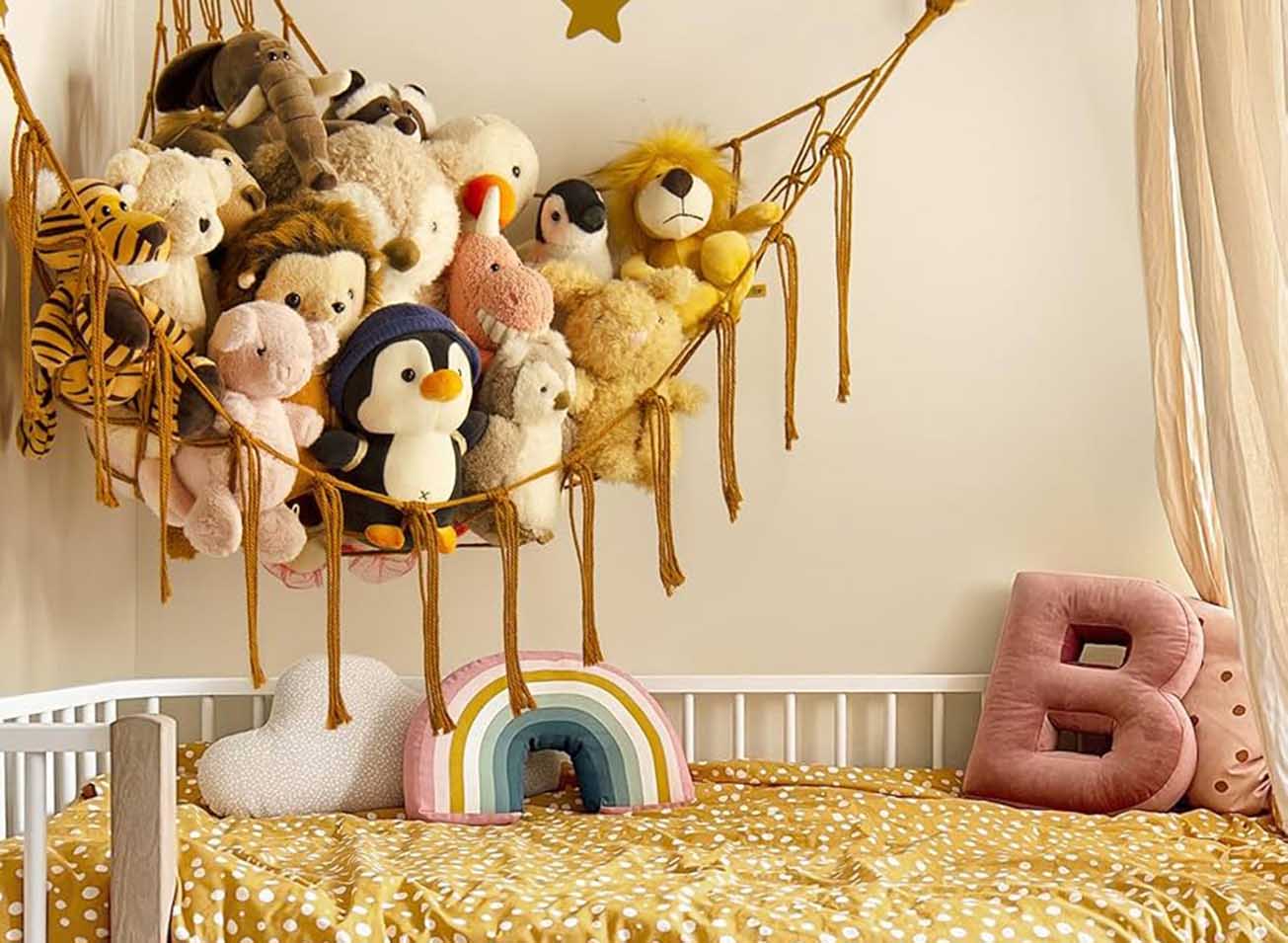
Final tip: keep it simple. Avoid overly decorative elements like dangling mobiles, loose fabric panels, or painted decals. These can deteriorate quickly and create safety risks. A clean, streamlined design not only ages better but also keeps the focus on your baby, not on distracting details.

Final Checklist Before You Buy
Before you click ‘buy’ on any crib, run through this checklist: 1) Is the mattress snug with no more than 1-inch gap on any side? 2) Are the slats spaced no wider than 2 3/8 inches? 3) Is the frame made of solid wood, metal, or FSC-certified material? 4) Does it meet federal safety standards (look for the label near the slats)? 5) Is it convertible or adaptable for future use? 6) Is it free of sharp edges, exposed screws, or flaking paint?
Choosing the right crib is one of the most important baby decisions you’ll make. It’s not just about what’s beautiful—it’s about what’s safe, comfortable, and built to last. With the right knowledge, every nursery can become a sanctuary of love, style, and peace of mind.