Why I Almost Ignored the Ottoman
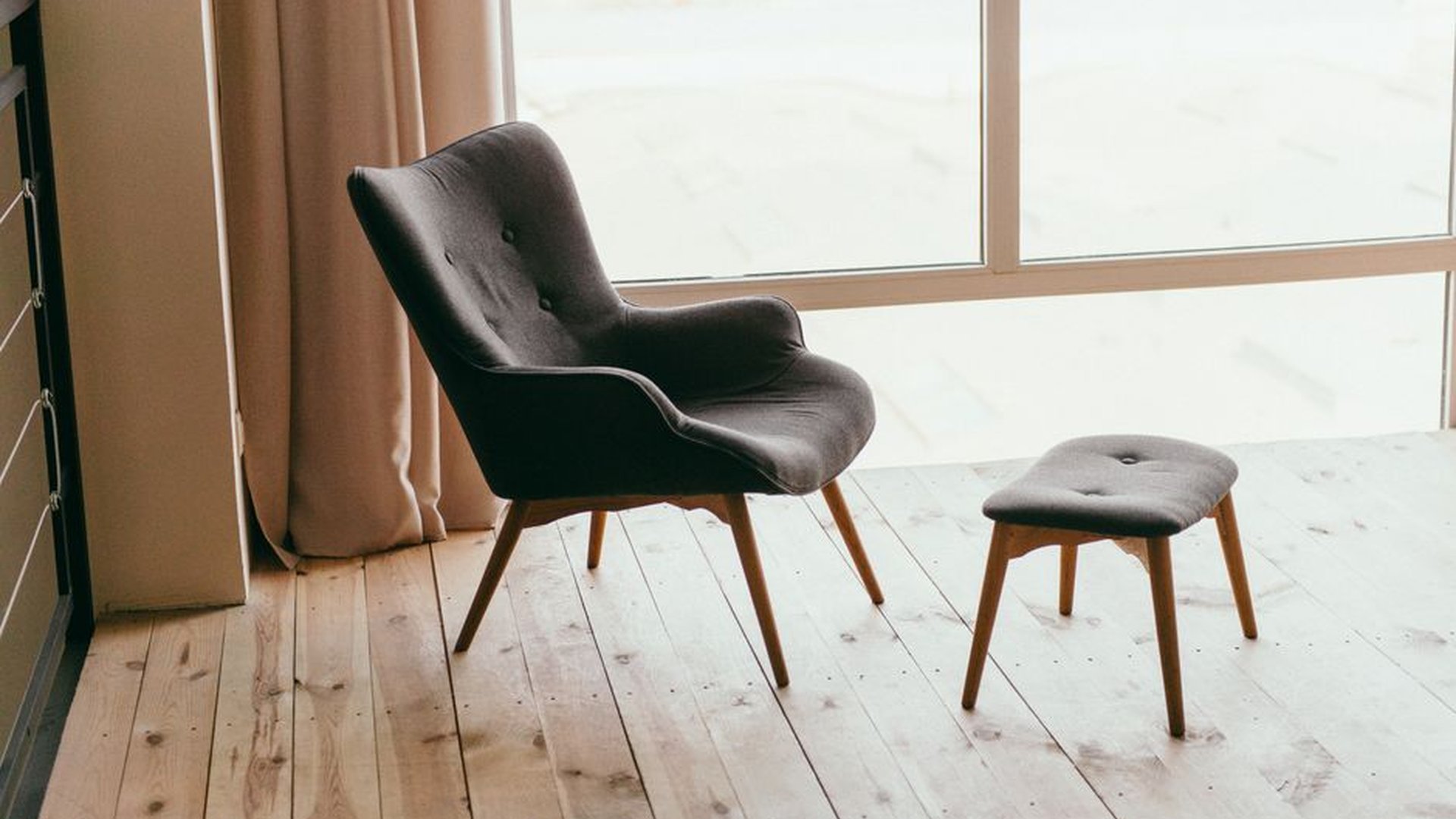
I’ll admit it: when I first walked into my new apartment, I didn’t see the point of a footstool. The living room was already full—sofa, coffee table, TV stand, two floor lamps. Adding another piece felt like inviting chaos into a space that barely had room to breathe. And yet, a week later, I found myself standing in front of a vintage-style ottoman at a thrift store, drawn not by its appearance, but by the quiet promise it made: *this could change how I use my space.*
I didn’t expect it to become the most used piece in the room. But it did.
How the Ottoman Changed My Daily Routine
Before I brought it home, I’d spend evenings curled on the sofa, legs stretched out, always just a little uncomfortable. I’d prop my feet on the coffee table, which blocked the remote control and made the glass top look like a battlefield of crumpled snack bags. The ottoman changed everything.
Now, when I sit to read, watch a show, or just relax after work, I tuck my feet up onto the ottoman. It supports my lower legs perfectly—no more strain on my back, no more cold feet on a hardwood floor. I’ve started calling it my ‘second seat.’ It’s not just a footrest; it’s a full-body comfort upgrade.
And it’s not just me. My partner, who usually sits with his feet dangling, now says he feels more ‘centered’ when he rests his feet on it. We’ve even started leaving our favorite blankets and books on top—because it turns into a quick, cozy nook in minutes.
How I Made It Work in a Small Living Room
The real test was whether it would fit. My living room is just under 12 feet by 10 feet—modest, but not tiny. I was afraid the ottoman would make it feel crowded. But after measuring, I found that a 24-inch square ottoman actually creates a visual pause in the room. It anchors the seating area without overwhelming it.
I placed it slightly angled in front of the sofa, not directly in line. That small shift makes the space feel more dynamic—like a natural break between conversation zones. It also gives me a soft landing point for my feet while still leaving a clear path to the kitchen and dining area.
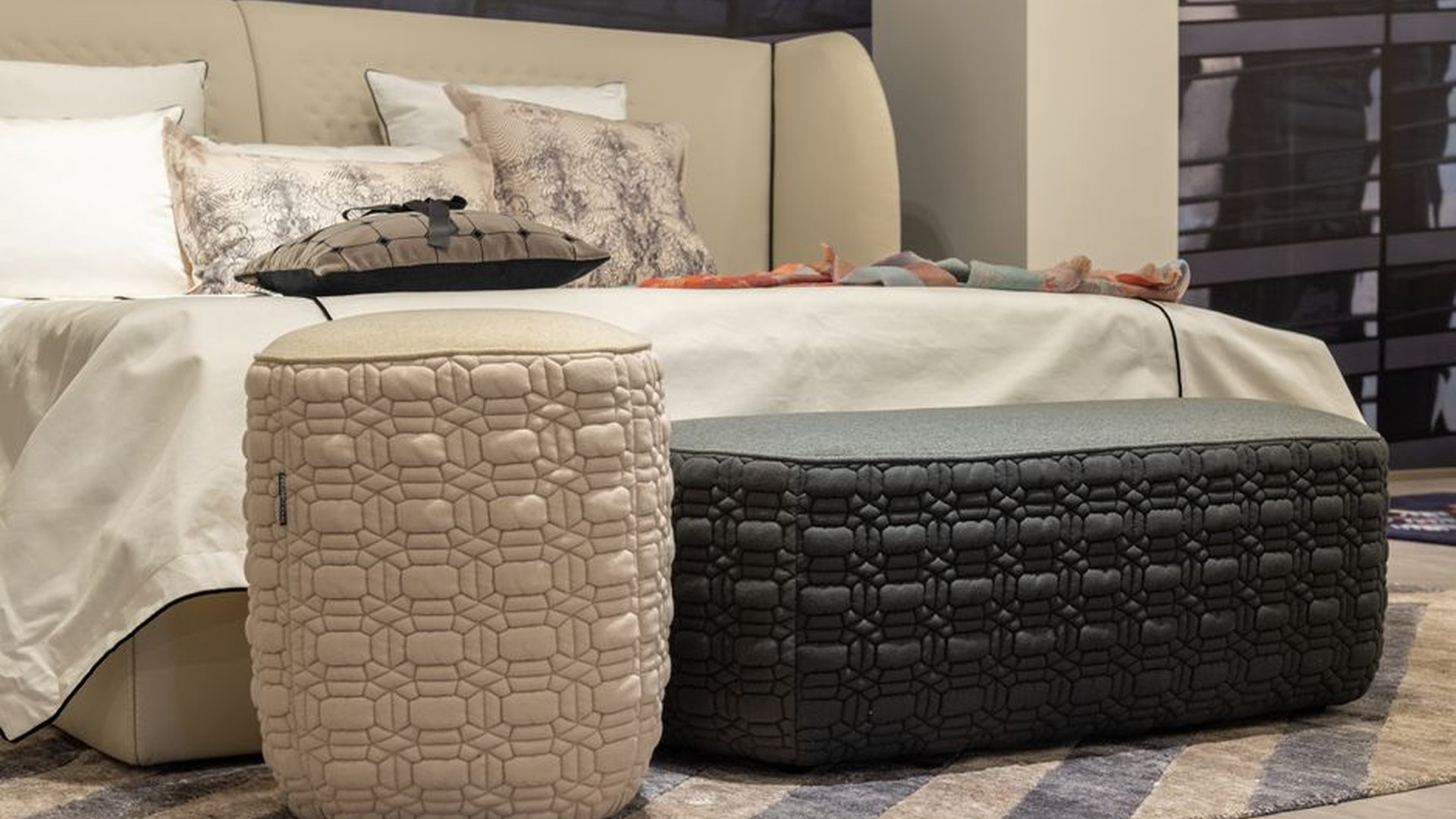
And here’s a secret I’ve learned: the right ottoman can act as a focal point. Mine is a deep charcoal with a subtle gray herringbone pattern. It doesn’t shout, but it holds its own against the neutral beige walls and mid-tone wood floor. It became a quiet element that ties the room together—like a missing piece of the puzzle I didn’t realize I was missing.
Storage That Actually Works
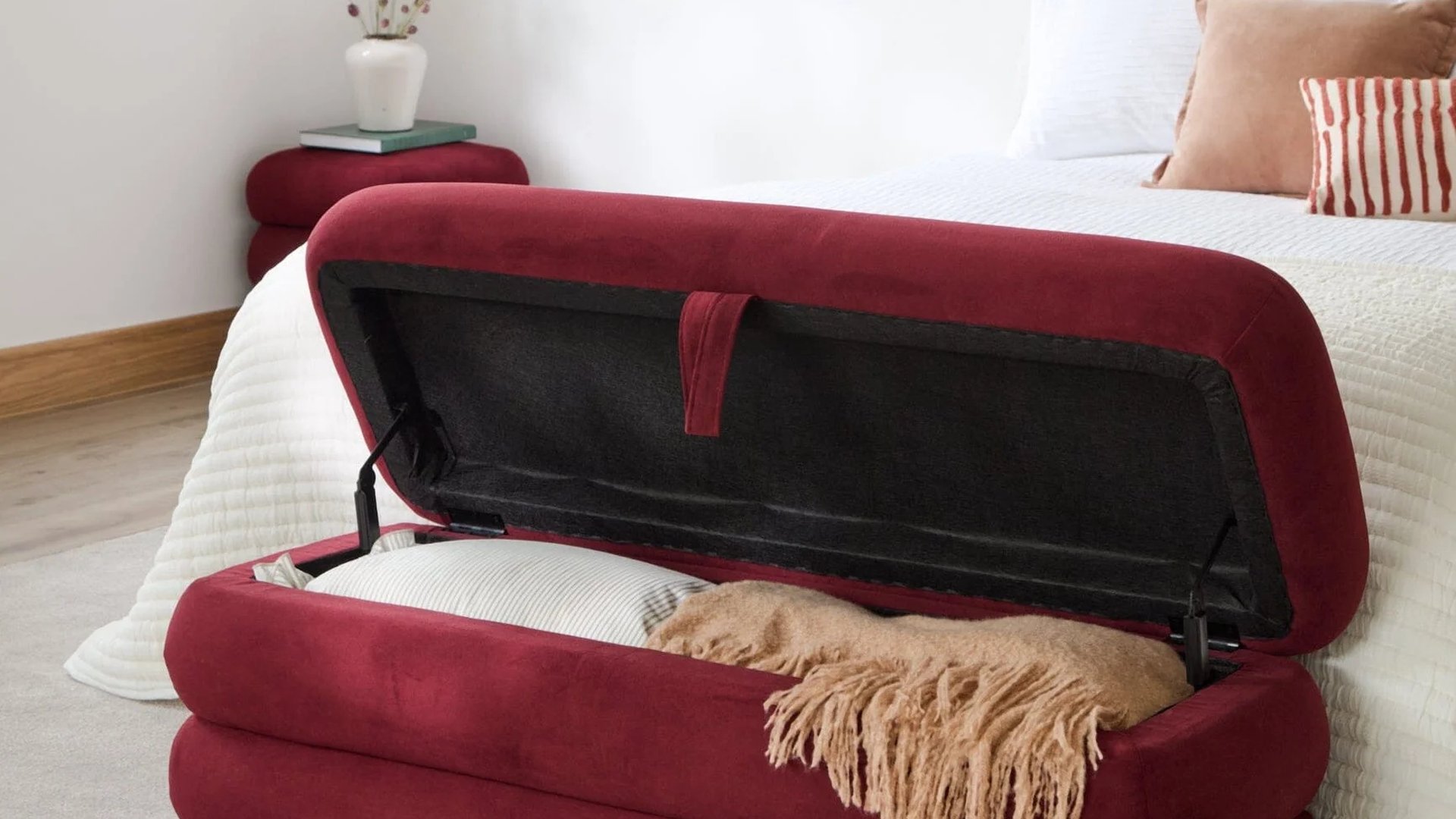
What truly sealed the deal was the storage. I bought a model with a lift-top lid. At first, I was skeptical—would it just collect dust? But in practice, it’s become my go-to spot for everyday clutter.
My tablet, the remote, a pair of worn-out slippers, my favorite mug after coffee, and even my dog’s chew toy all live under the lid. No more clutter on the coffee table. No more digging in the sofa cushions for the TV remote. It’s not a perfect solution—there’s still the occasional misplaced headphone—but the difference in order is immediate.
I’ve even started using it as a makeshift side table when I have guests. When my cousin visited, she used it to hold her wine glass and a book. She said, ‘I didn’t expect to like this so much.’ That moment made me realize: a footstool isn’t just furniture—it’s hospitality in a box.
Choosing the Right Ottoman for Your Space
Not every ottoman is right for every room. I made a few mistakes before finding the one that worked.
First, I tried a low-profile, fabric-covered model. It looked nice, but after a month, the fabric showed every smudge and pet hair. I learned: high-traffic areas demand durability. I switched to a leather-look vinyl version that wipes clean and resists stains—perfect for a busy home with a playful dog.
Second, I underestimated size. I once bought one that was too long, stretching across the front of the sofa. It looked awkward and blocked movement. I now measure diagonally from the sofa edge—aim for a piece that’s about two-thirds the length of your sofa. That gives balance without overcrowding.
And finally, I avoided metals and glass. I wanted warmth, not cold. A soft, round edge made it feel friendly, not industrial. Now, I only consider materials that feel good to touch—especially if my feet are going to rest on them every night.
Final Thoughts: It’s Not Just a Footstool—It’s a Lifestyle Upgrade
Looking back, I never thought a piece of furniture that primarily holds your feet could change how I live. But it did.
The ottoman taught me that good design isn’t about adding more. It’s about removing friction. It made sitting more comfortable, made organizing easier, and made the room feel more intentional.
If your living room still feels like it’s missing something—just a little warmth, a little ease—I’d say give the ottoman a real try. Not as a last-minute decoration. Not as a trendy accessory. But as a true functional companion.
After all, how many times have you sat on the couch and thought, *if only my feet had a place to rest*? That’s the moment a footstool earns its place.
Now, every time I turn on the lights at night, I see my feet tucked safely under the ottoman—and I smile. Not because it’s fancy. But because it’s exactly what I needed, all along.