My Top Tips for a Cozy Home begins with a simple truth: comfort is not just about soft furniture or warm blankets—it’s about creating an environment where your body and mind feel safe, seen, and cherished. Whether you live in a modern downtown loft, a quiet suburban ranch, or a sunlit bungalow in the countryside, the idea of a cozy home is universally desirable. It’s not about extravagance; it’s about intention. Here are five essential ways to infuse your space with warmth, charm, and genuine comfort that lasts beyond the season.
Layer Your Lighting for Warmth and Mood
Lighting is the first factor that shapes how a space feels. Harsh overhead bulbs can make even the most beautifully furnished room feel sterile. Instead, aim for layered lighting—think ambient, task, and accent. Start with soft, warm-toned bulbs (2700K to 3000K) in ceiling fixtures or floor lamps. Then, add a few table lamps with fabric shades to diffuse the glow. A favorite trick: place a dimmable floor lamp near your reading chair or sofa. The soft pool of light not only supports a good book but invites you to stay awhile. Don’t overlook candles—real beeswax or soy candles in glass holders create a flickering rhythm that feels calming and intimate. A recent visit to a small home in Portland, Oregon—where the owner used only 20-watt warm bulbs and a mix of textured lamps—revealed how lighting alone can transform a cold-looking room into a candlelit haven.
Choose Textiles That Invite Touch
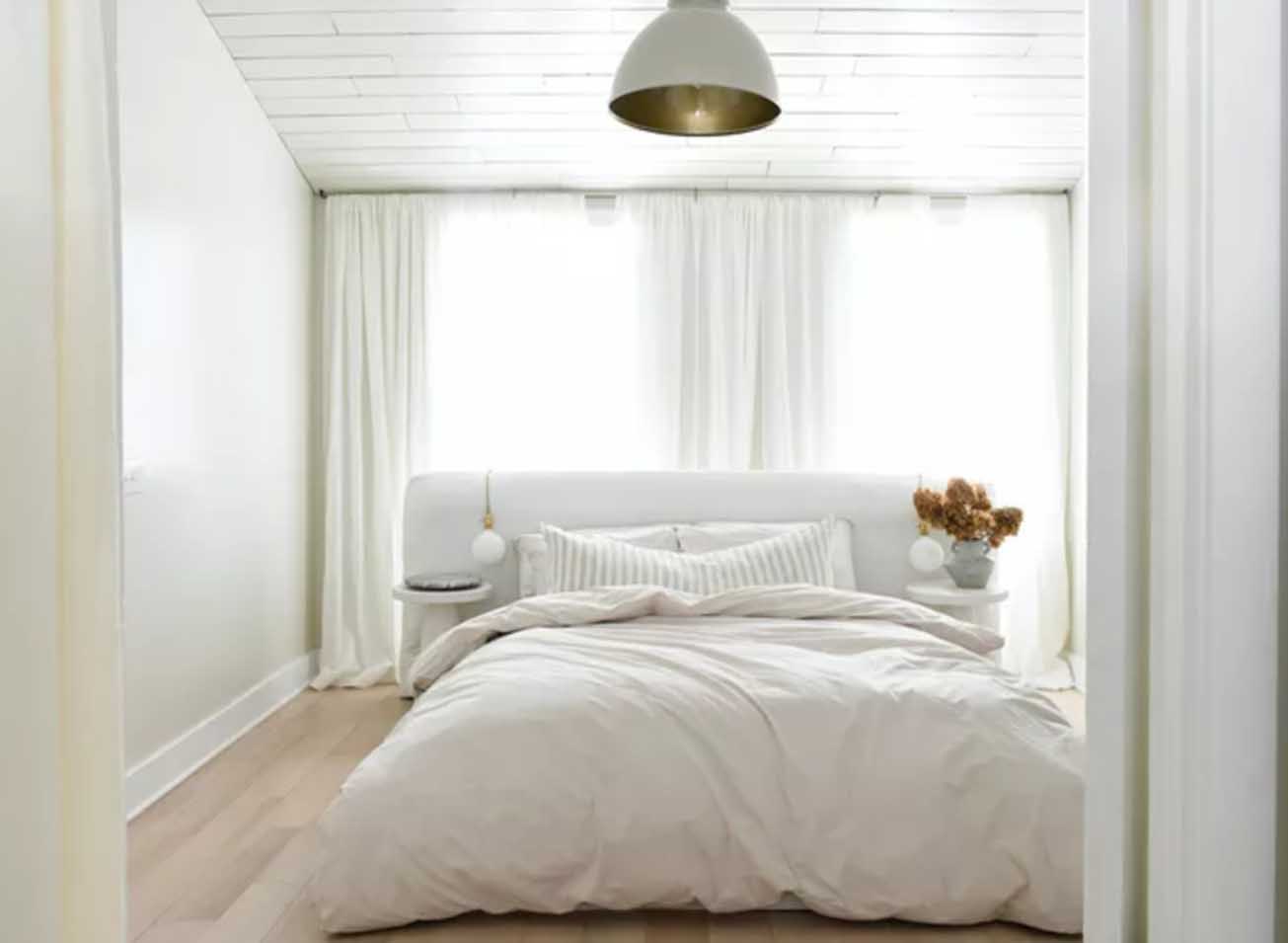
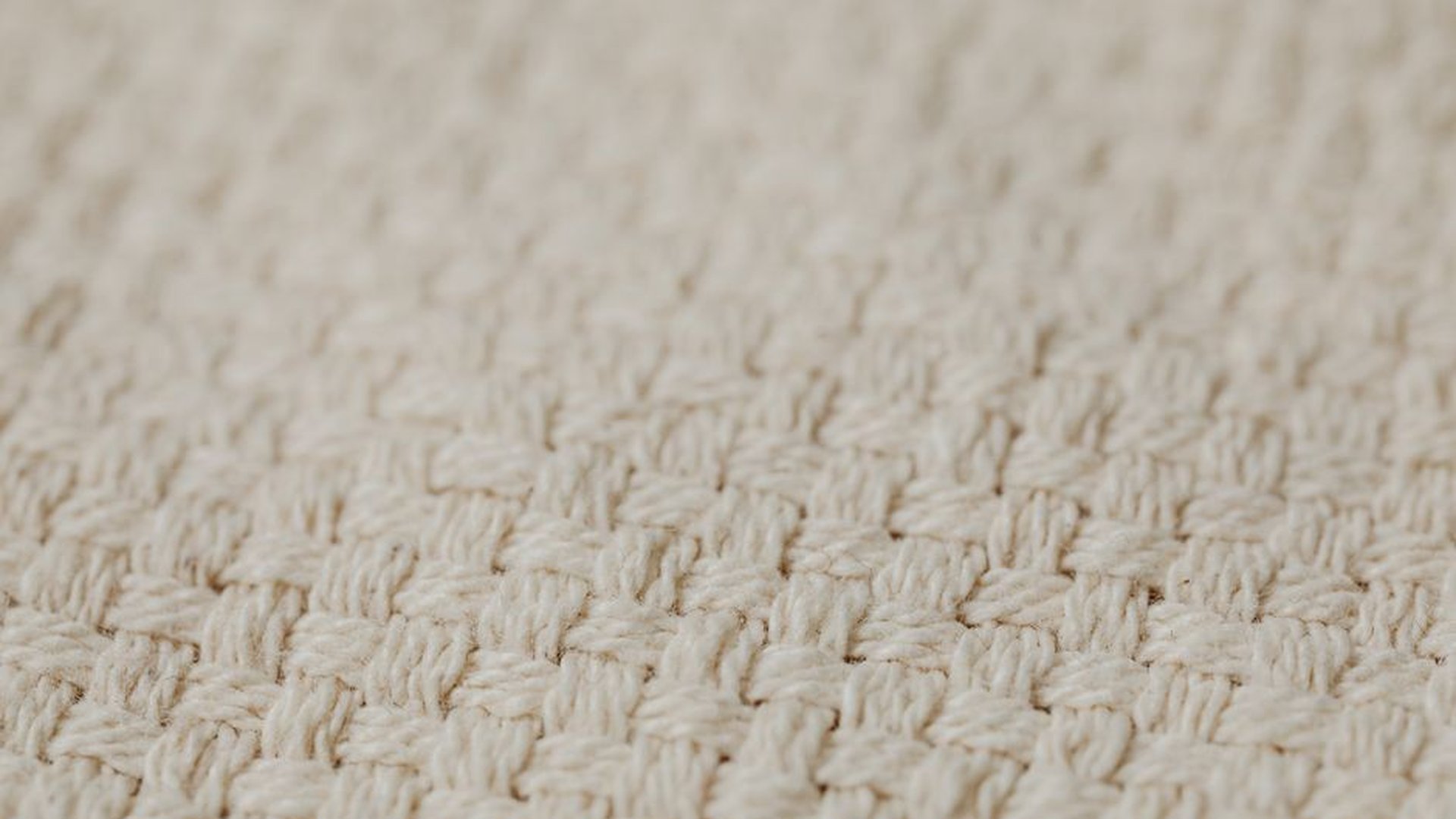
The feeling of a room starts under your hands and feet. Think of every fabric you run your fingers over—how it catches the light, how it drapes, how it responds when you sink into it. Prioritize materials like wool, cotton, linen, and faux fur. A thick wool throw draped over a neutral sofa feels incredible on a chilly evening. A pair of oversized, plush throw pillows in deep navy or forest green adds both texture and color. When choosing curtains, go for heavier fabrics like double-weave cotton or velvet. They block out noise and light, making the room feel more private and sheltered. One couple in Austin redesigned their living room around a handmade afghan from a local craft fair. The texture, slightly imperfect weave, and handmade quality gave the space immediate emotional warmth—proof that not everything needs to be perfect to feel cozy.
Use a Cohesive Color Palette with Earth Tones
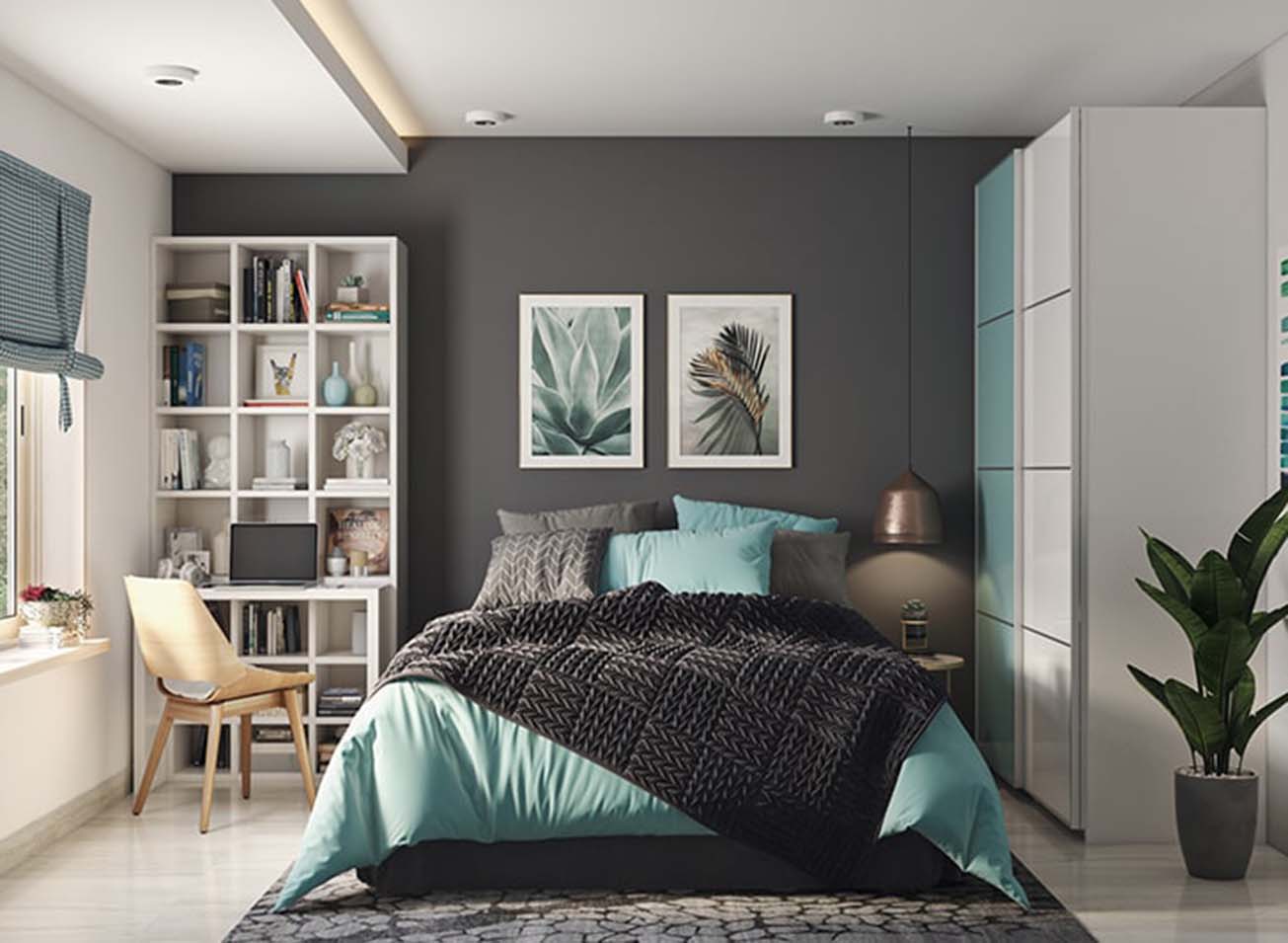
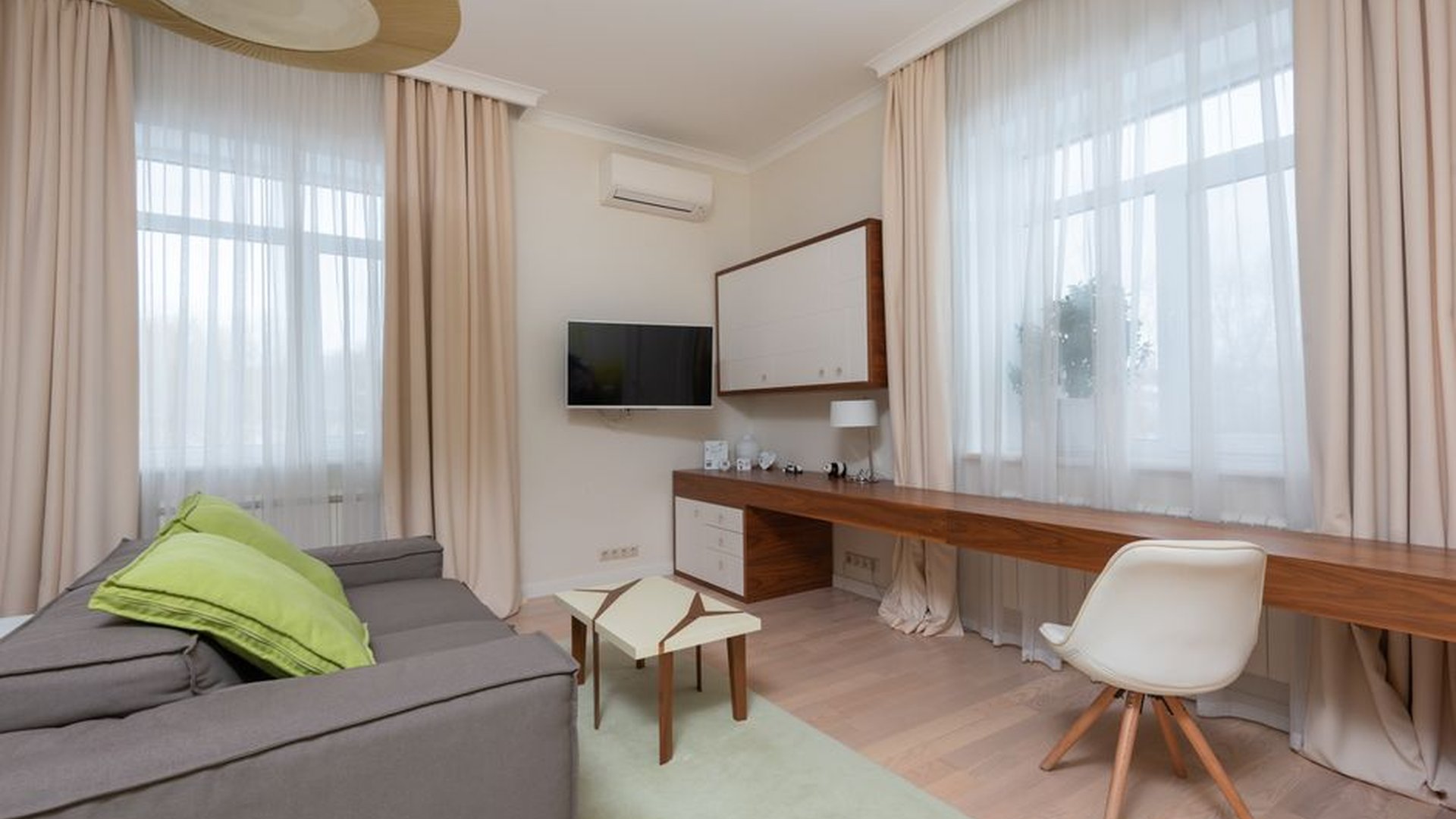
Color sets the emotional tone. Avoid bright whites and sterile grays if you’re aiming for coziness. Instead, lean into earthy palettes—beige, warm gray, olive green, terracotta, soft brown, and muted blues. These hues mimic nature and create a grounding effect. In a small Brooklyn apartment, a designer used a single wall in a deep rust color behind a built-in bookshelf. The contrast with the surrounding white walls made the room feel more intimate, like a private nook. You don’t have to repaint the whole house—start with one accent wall, a statement rug, or even a set of artwork in muted tones. A few well-placed items can shift the entire energy of a room. Remember: cohesion matters more than contrast. Let your color story breathe, not shout.
Add Personal Touches That Tell Your Story
A truly cozy home isn’t just decorated—it’s lived in. It tells your story. That means including pieces that hold meaning: a framed photograph from a favorite trip, a vintage travel map, a hand-painted mug from a friend’s pottery class, or a bookshelf filled with books you’ve actually read (not just bought to look smart). These items don’t need to be expensive or rare. They just need to feel real. A woman in Seattle kept her grandmother’s old embroidery hoop on her bedroom wall, with a single piece of cross-stitch still in progress. Every time she passed it, she felt connected to her roots. Another homeowner in Denver placed a stack of old journals in a corner shelf—no cover, just open pages. They were unreadable to others, but to him, they held memories that no decor item could replicate. Your home should feel like a diary, not a showroom.

Optimize for Flow and Function Without Clutter
The most cozy rooms aren’t always the most filled—they’re the ones that feel uncluttered and easy to move through. A crowded living room might look stylish in a magazine, but it drains energy. Instead, focus on intentional space. Use furniture with legs to let light flow beneath. Keep surfaces clear—only what you need daily should stay out. A bamboo tray on the coffee table holds remotes and a book, and when not in use, it’s tucked away. A recent renovation in a San Francisco studio apartment used floating shelves and hidden storage behind a false wall to keep the main area open. The result? A place that feels spacious, peaceful, and deeply inviting. Remember: cozy is not messy. It’s quiet, calm, and full of intention. When you walk into your home, the first thing you should feel is relief—not pressure to do, fix, or tidy up.
Every room tells a story. The most lasting ones aren’t built around trends, but around how they make you feel. My Top Tips for a Cozy Home aren’t about perfection. They’re about creating a sanctuary where you can breathe, rest, and return to yourself. Whether it’s the way a lamp glows at dusk, the weight of a wool blanket on your lap, or the quiet of a room that holds your memories—these are the details that turn a house into a home. And that’s not just decoration. That’s belonging.