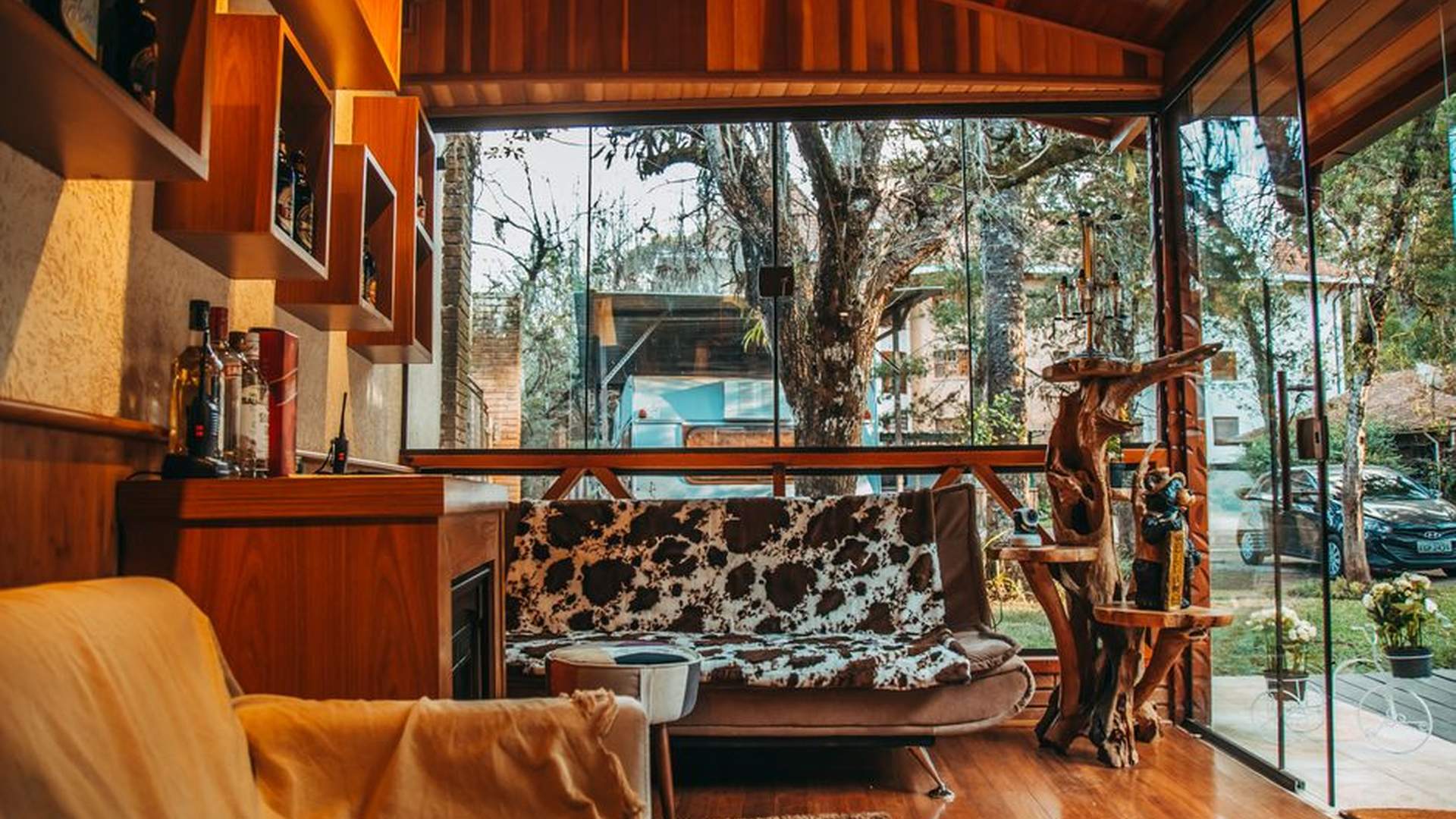
How to Blend Styles Without Clutter
In today’s world of endless design inspiration, many homeowners are drawn to the idea of mixing two interior styles—like rustic and modern, or Scandinavian and bohemian. The goal? To create a space that feels personal, layered, and uniquely yours. But here’s the catch: mixing styles without clutter is not about throwing everything together. It’s about intention, restraint, and harmony. A poorly blended design can feel chaotic, overwhelming, or just plain messy. But when done right, it can feel effortlessly stylish and deeply authentic.
Consider the case of Maya, a 34-year-old graphic designer in Portland. Her living room was a jumble of mismatched pieces—mid-century furniture, vintage rugs, industrial lighting, and scattered artwork—until she stepped back and realized: she wanted a space that felt warm and creative, not busy. By focusing on a few core principles, she transformed her room into a balanced, stylish haven that reflects her personality without sacrificing clarity.
Start with a Unifying Color Palette
One of the most powerful tools in blending styles is a cohesive color scheme. Colors act as the visual glue that holds seemingly different elements together. Instead of chasing bold contrasts, choose a base that spans both styles. For example, if you’re mixing farmhouse and industrial, stick to soft grays, warm whites, and natural wood tones. These neutral shades ground both rustic textures and metal finishes.
In Maya’s case, she chose a palette of warm beige, soft taupe, and walnut brown. Every piece—whether a mid-century chair or a reclaimed wood shelf—had at least one of these base colors. This consistency made it easier to accept visual diversity without feeling disoriented. A great trick is to use the 60-30-10 rule: 60% dominant color (walls, large furniture), 30% secondary color (rugs, curtains), and 10% accent color (throw pillows, artwork). This structure gives visual stability, even in a mixed environment.
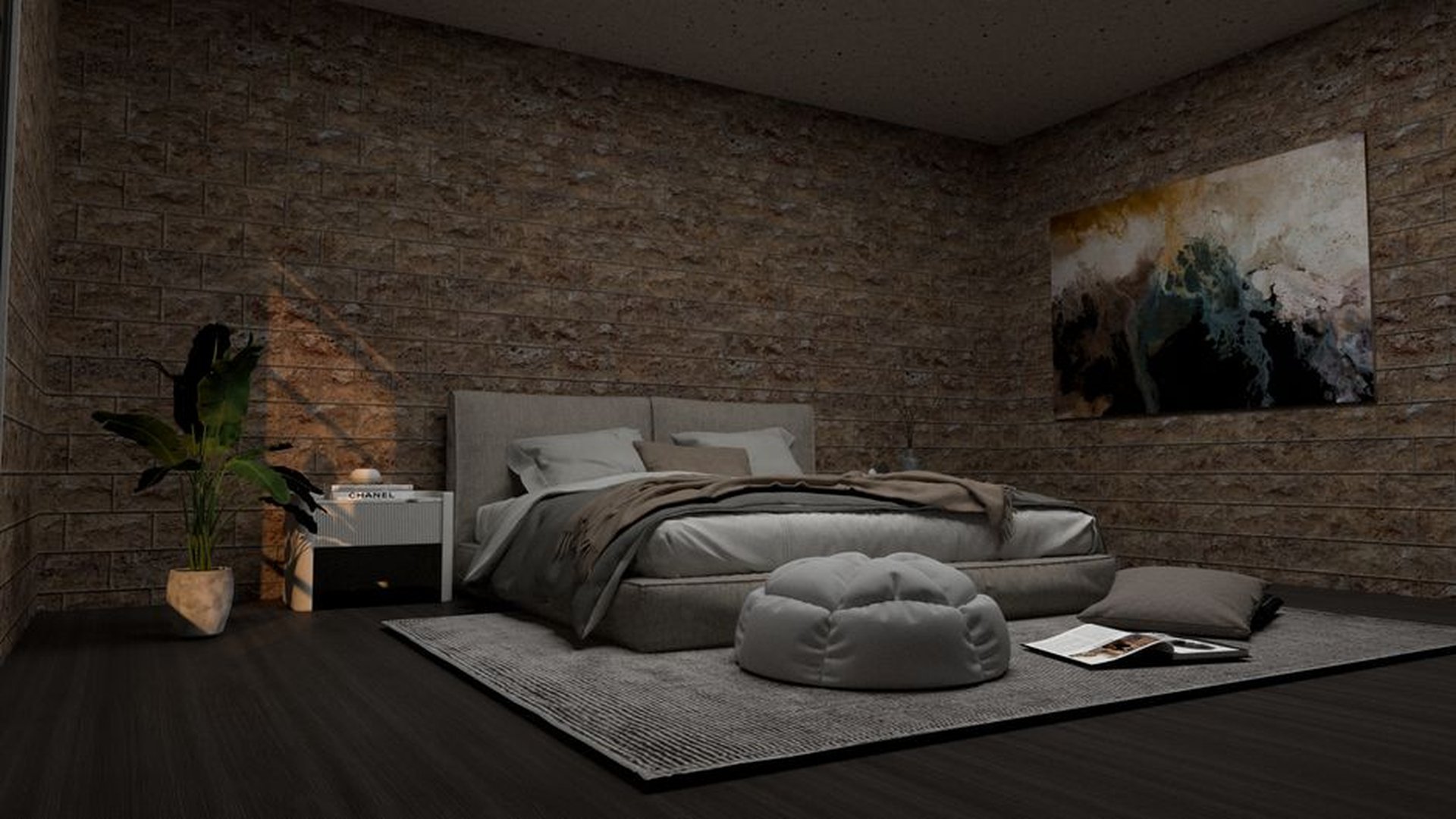
Anchor Your Space with a Signature Piece
Every well-designed room needs a focal point. When blending styles, that piece becomes your anchor. It doesn’t have to be expensive—just distinctive and intentional. A richly upholstered sofa in a textured fabric, a hand-carved coffee table, or a vintage mirror can serve as the emotional center of the room.
Maya chose a 1950s teak sideboard she found at a local antique shop. Its clean lines and natural grain pulled in both modern and mid-century elements. All other pieces were selected to support—not compete with—the sideboard. The result? A room where every item felt like it belonged, not just added.
This technique prevents the common mistake of trying to match every item to every style. Instead, you let one piece define the mood, and build around it. It’s like choosing a soundtrack for your home: one dominant song sets the energy, and the rest of the music complements it.
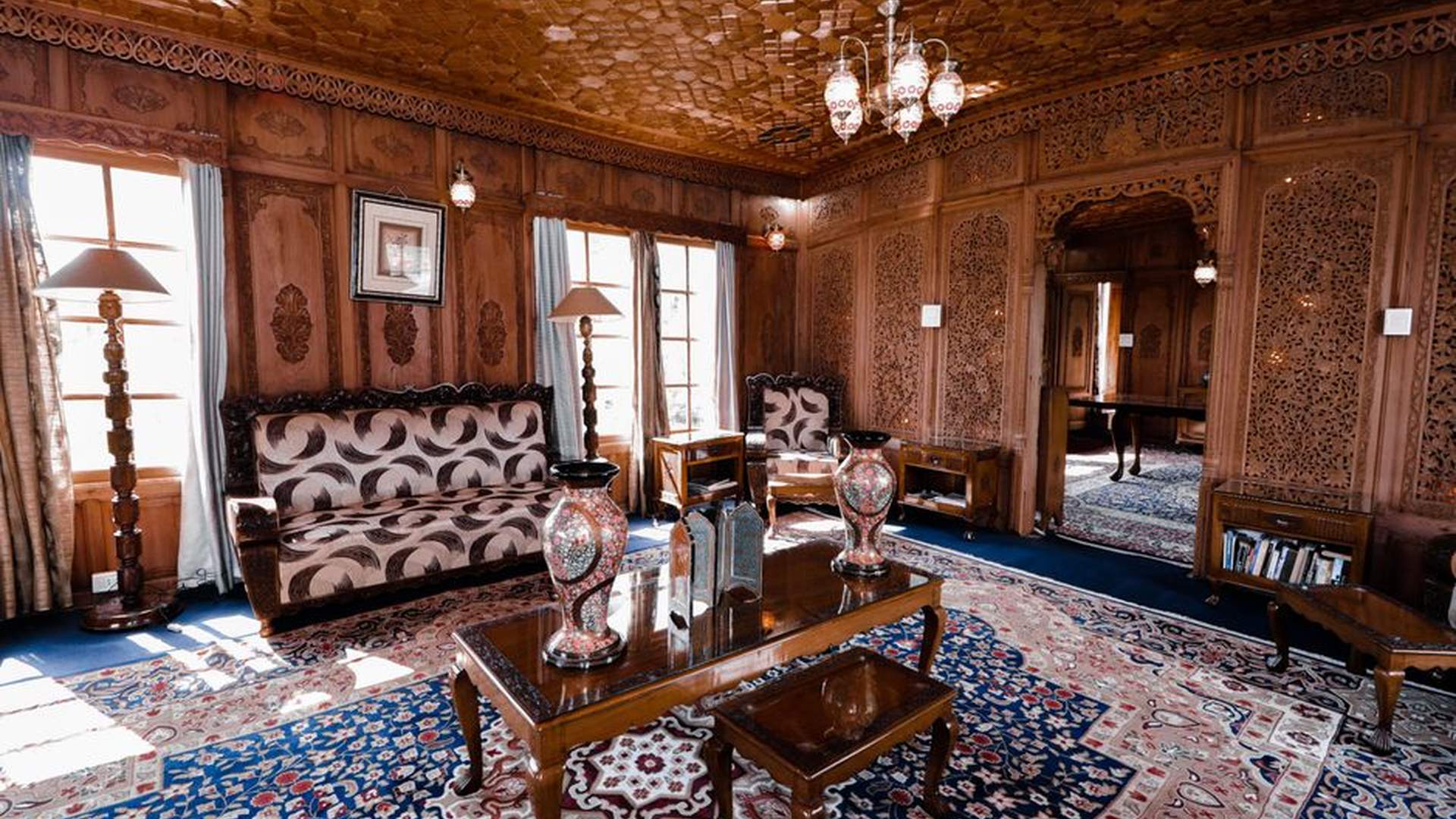
Control with Texture and Pattern, Not Volume
Mixing styles often leads to a pattern overload. Too many prints, textures, or materials can make a room feel like a design buffet—too much, too fast. The solution? Use texture and pattern as punctuation, not as a main course.
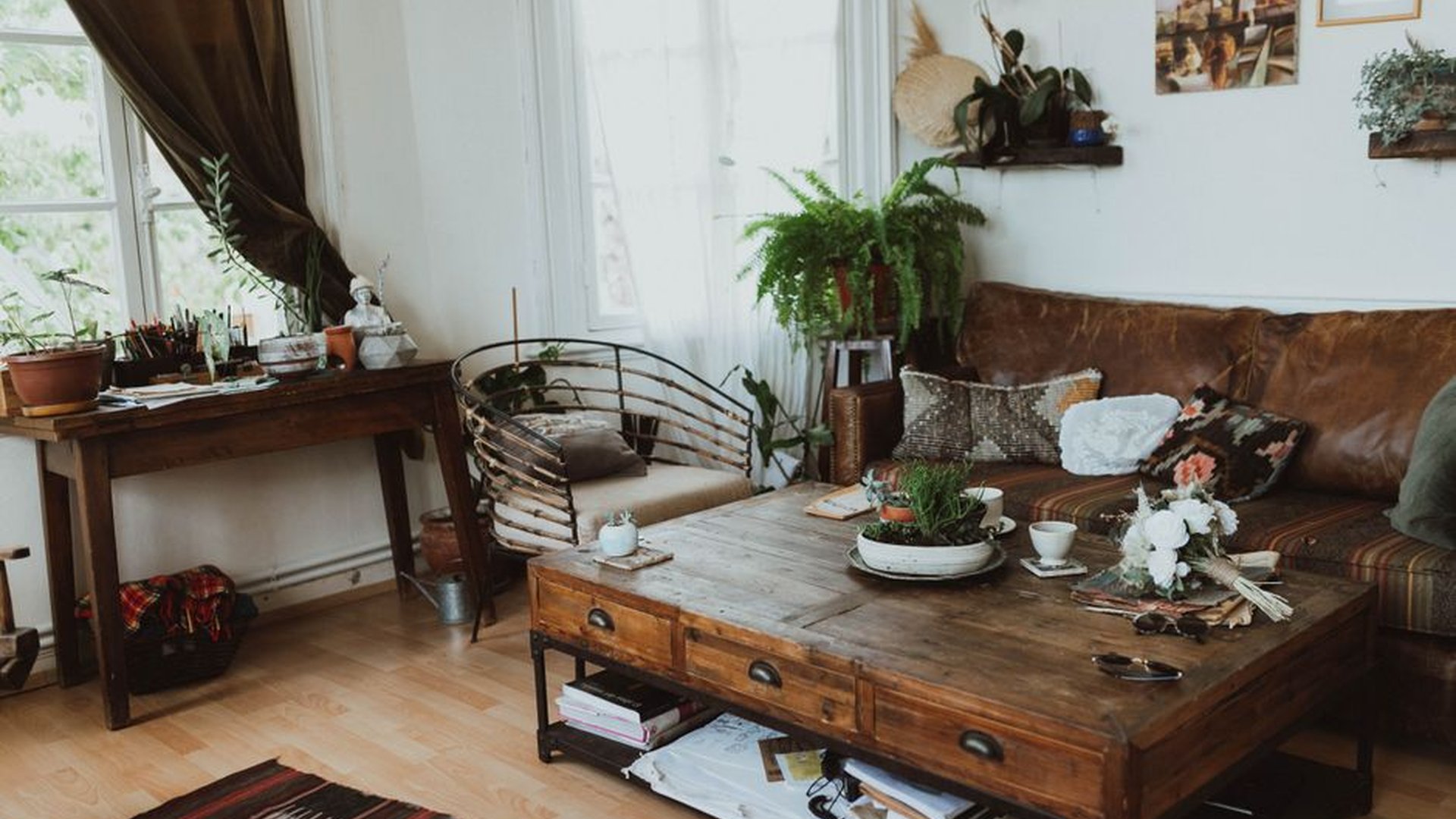
Maya kept her walls and large furniture pieces simple—white walls, a light oak floor, and a neutral sofa. But she introduced contrast through texture: a chunky knit throw, a leather-bound book, a woven seagrass basket, and a velvet curtain. These tactile elements added depth and interest without overwhelming the eye.
She also limited patterns to two per room. One pattern was floral (on a vintage rug), the other geometric (on a throw pillow). This allowed each design to stand out, rather than fight for attention. The rule of thumb? One bold pattern, one subtle one. And always keep the background neutral.
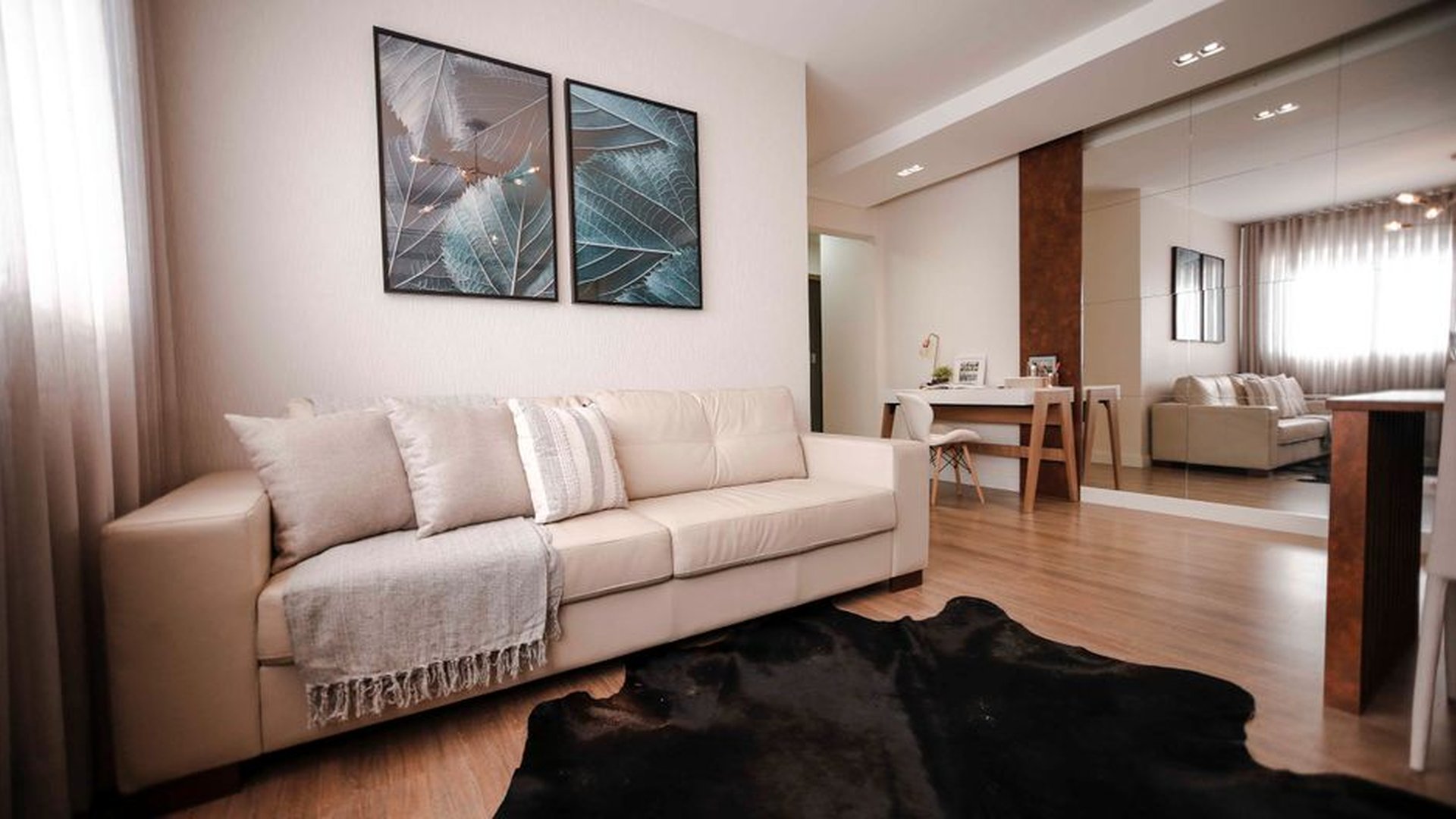
Use Furniture Scale and Proportion as a Guide
A common pitfall in mixed-style design is mismatched scale. A tiny Scandinavian table next to a massive industrial console can feel off. Harmonizing proportions ensures visual balance.
Maya avoided this by measuring her furniture before buying. She used a 1:1.5 ratio between average and large pieces—meaning, for example, a medium-sized chair (24 inches wide) sat next to a console that was no more than 36 inches wide. This visual rhythm made the space feel curated, not chaotic.
She also kept active zones clear: the area in front of the sofa was kept open for movement, and the wall behind it had only one framed piece. This not only prevented clutter but also encouraged people to focus on the room’s focal points.
Let the Mood Define the Rules
There’s no universal recipe for blending styles. What works in a cozy Berlin apartment may not suit a sunny LA loft. The most important rule is to design for emotion, not trends. Ask yourself: what feeling do I want my room to give? Calm? Energetic? Nostalgic? Warm?
Maya’s goal was serenity with a touch of creativity. So she avoided harsh contrasts—no bold reds or electric blues. Her final touch? A single potted fiddle-leaf fig in a ceramic pot. Not trendy, not loud, but a quiet anchor of nature. It grounded the room and made the mix feel peaceful, not busy.
The truth is, blending styles isn’t about perfection. It’s about presence—making a space that feels true to you. When you focus on one or two guiding principles—color, anchor piece, texture, proportion—you create a room that doesn’t scream for attention, but quietly invites people to stay.

.jpg)