One of my favorite parts of traveling around Taiwan is noticing how quickly food changes character once you move beyond the famous night-market checklist. A bowl of milkfish soup in Tainan, a piece of grilled mackerel at a small lunch shop, or a cold fruit snack on a humid afternoon can tell you more about local eating habits than another queue for a viral snack. That is why i3Fresh caught my attention. It is less about recreating a restaurant experience and more about putting familiar Taiwanese ingredients and convenient prepared foods within easy reach at home.
For travelers staying in an apartment, visiting family, or spending several weeks on the island, that distinction matters. Eating out three times a day sounds fun until the heat, crowds, and packed itinerary catch up with you. Having a few freezer staples gives you an easy dinner option without reducing every meal to convenience-store food. The current Taiwan Agricultural Carnival page is especially useful because it brings together seafood, fruit, and simple meal components that feel connected to places you may actually visit during a trip.
The strongest reason to browse it is the regional food connection
The products I would look at first are not the most elaborate ones. They are the ingredients that immediately remind me of meals I associate with specific parts of Taiwan. The current selection includes Tainan boneless milkfish belly starting at NT$129 per piece, Tainan boneless milkfish strips starting at NT$99 per pack, and milkfish skin starting at NT$99 per pack. Milkfish is one of those foods that makes much more sense after spending time in southern Taiwan, where it appears at breakfast shops, soup counters, and family tables in forms that tourists do not always notice on a first visit.
That makes i3Fresh interesting as a food recommendation rather than simply an online grocery store. You can use the catalog almost like a second layer to a trip: eat milkfish in Tainan, learn which cut you actually enjoy, then choose a similar ingredient for a simple meal later. I would personally start with the boneless belly if richness is what you liked at a local restaurant, while the strips make more sense for someone who wants a flexible ingredient for soup, congee, or a quick pan-cooked meal.
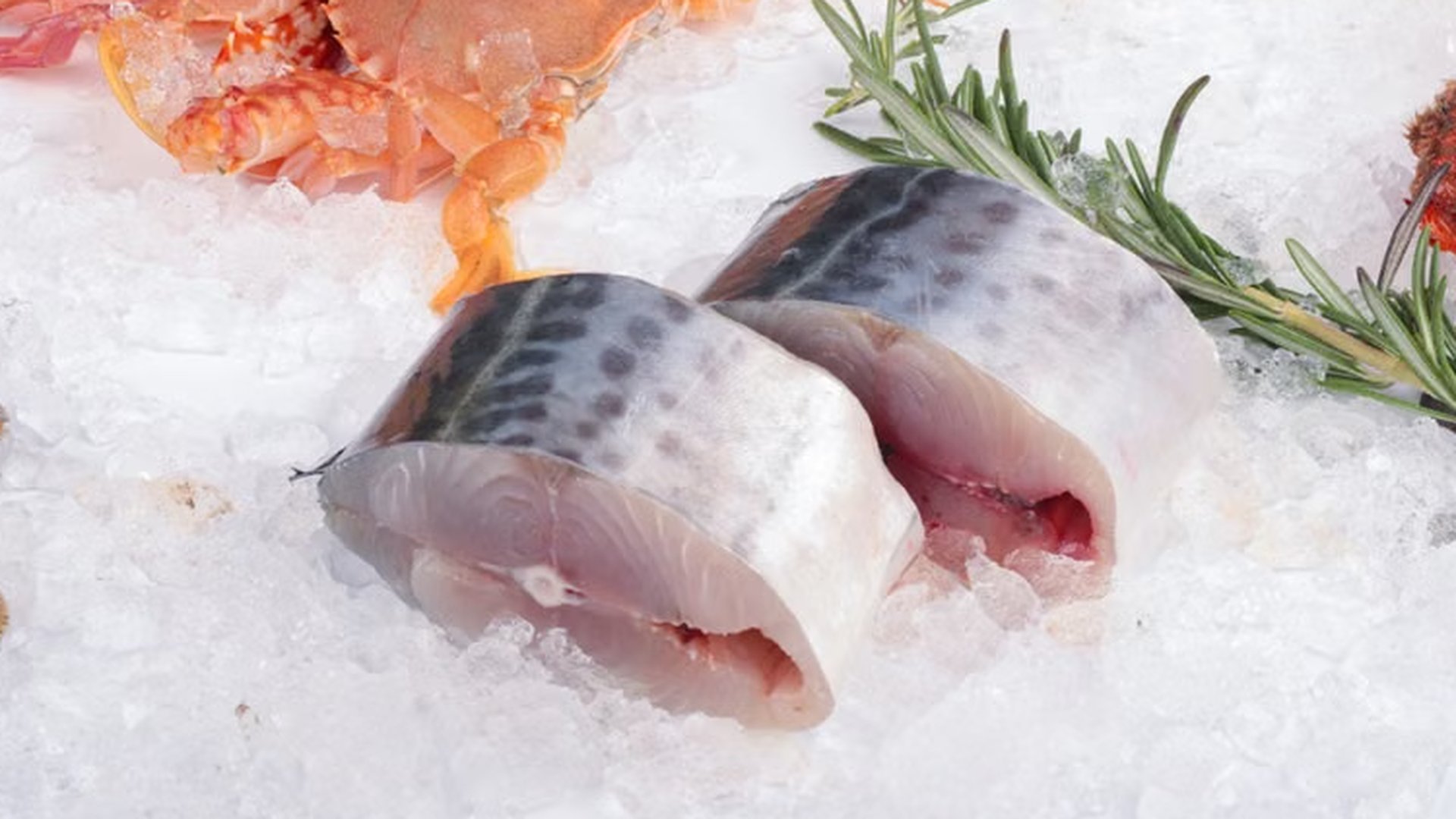
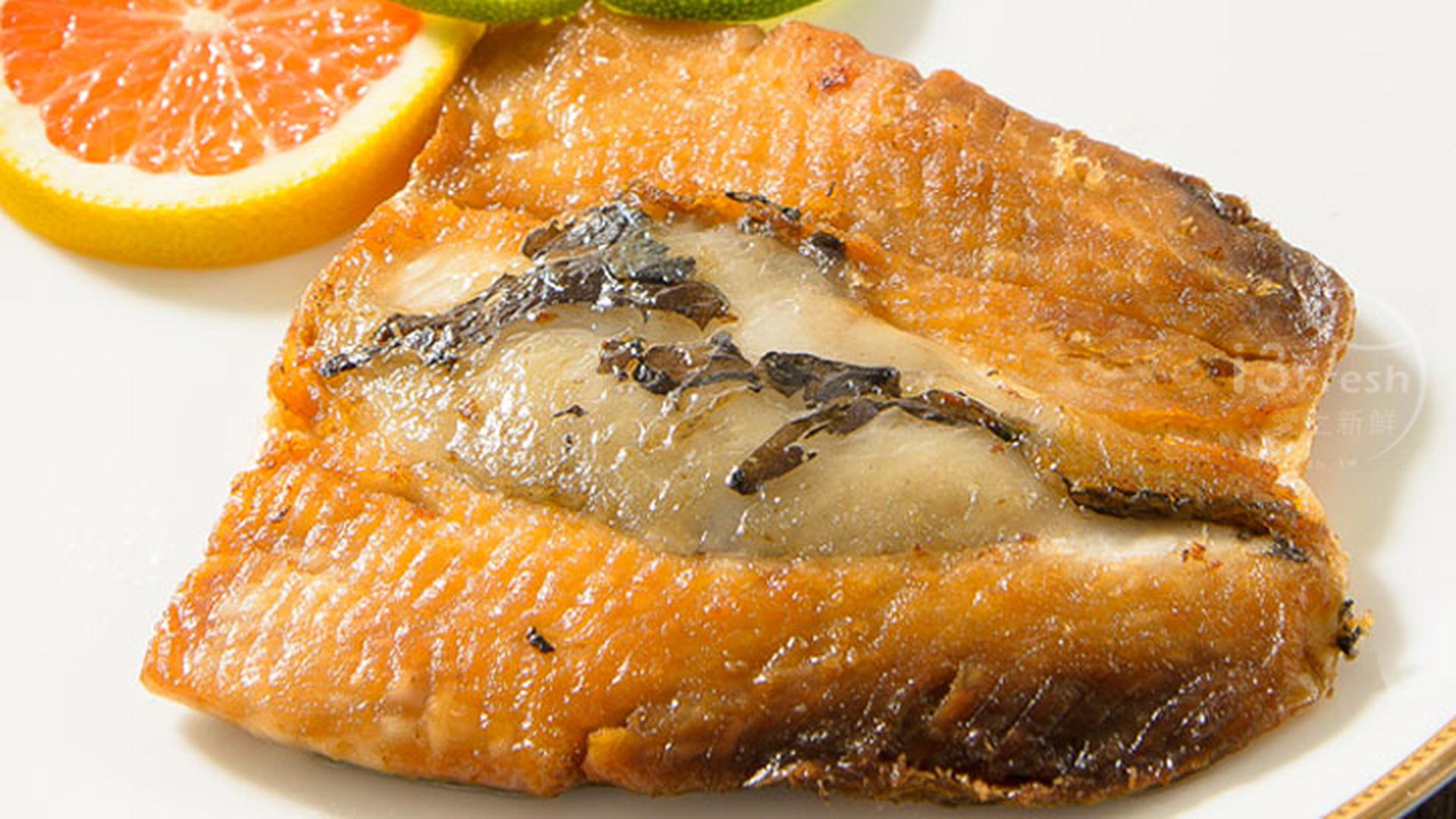
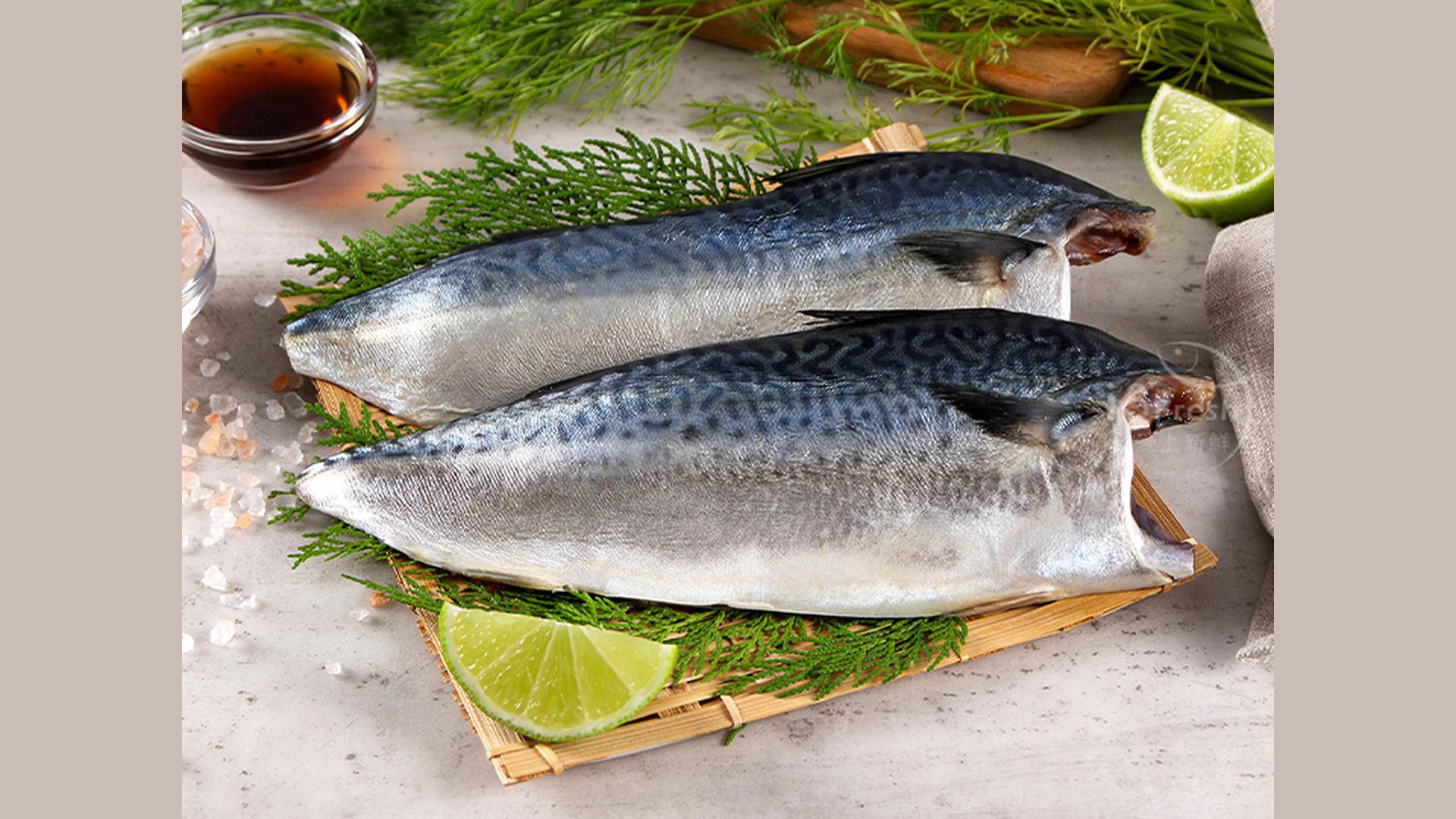
Mackerel tells a similar story. The page currently lists Taiwan lightly salted mackerel from NT$39 per fillet and Suao fresh-caught unsalted mackerel, sold as a two-piece product, also from NT$39 per fillet. If your itinerary includes the northeast coast or a stop around Yilan, the Suao connection gives the product more context. The unsalted option is also the one I would choose when I want more control over seasoning at home instead of buying a strongly flavored ready-made dish.
Convenience is where the catalog becomes practical
Travel food recommendations often focus on what tastes exciting in the moment, but daily usefulness is a different test. This is where i3Fresh becomes easier to recommend. A freezer stocked with portioned fish, chicken, and vegetables can turn an apartment kitchen into something genuinely useful instead of decorative. After a day of sightseeing, I would rather pan-cook a piece of fish, warm some vegetables, and sit down than start researching another restaurant at 9 p.m.
The ready-to-eat salad chicken line is a good example. The current page shows a 10-pack selection at NT$49 per pack, a 20-pack option at NT$45 per pack, and a 30-pack option at NT$39 per pack. There is also a multi-pack selection displayed at NT$35 per pack. Those larger bundles are obviously better suited to households or longer stays than a short weekend visit. If you are only testing the category, the smaller set is the more sensible starting point; buying the largest bundle purely for the lower per-pack figure is not much of a saving if half of it stays untouched.
I also like that the range is not limited to protein-heavy meal prep. The same page includes an iced green mango snack starting at NT$99 per pack. That is the sort of item I would keep for a hot afternoon when I get back from walking around Taipei or after a long train ride. It is not a substitute for hunting down fresh seasonal fruit at a traditional market, but it fills a completely different role: something cold, portioned, and ready when you want it.
What I would buy first and what I would skip
If I were putting together a small Taiwan-inspired freezer order, I would keep it focused. From i3Fresh, my first three categories would be milkfish, mackerel, and one easy prepared item. That gives you one distinctly southern ingredient, one simple everyday fish, and something you can eat with almost no planning. It is a more useful introduction to the store than filling a cart with ten unrelated discounted items just because they look inexpensive individually.
There are a few reasons not to go overboard. Frozen food requires freezer space, which can be surprisingly limited in smaller apartments. Multi-pack pricing also rewards quantity, but quantity only makes sense when you already know your eating routine. And while regional products are fun to explore at home, they should complement a trip rather than replace the experience of eating them where they are part of local culture. I would still choose a neighborhood milkfish shop in Tainan for breakfast and a market fruit stall for whatever is in season.
For a more substantial family meal, the current page also lists sea bass fillets starting at NT$99 per pack and frozen sea bass pieces starting at NT$169 per box. These are the kinds of products I would consider when cooking for two or more people rather than assembling a quick solo meal. The catalog covers many more categories across the wider site, but for a travel-focused food shortlist, I think seafood and straightforward prepared foods tell the clearest story.
Who gets the most value from this kind of food shopping
I see i3Fresh fitting three situations particularly well. The first is a longer stay where you have a real kitchen and do not want every meal to be a restaurant decision. The second is a household that already enjoys Taiwanese seafood but wants portioned options on hand. The third is someone who has traveled around the island and wants to revisit certain regional flavors without turning dinner into a complicated cooking project.
It is less compelling for a visitor staying only a few nights in a hotel, or for anyone whose priority is discovering foods they cannot easily reproduce outside their place of origin. In that case, spend your appetite on breakfast shops, markets, seafood ports, noodle counters, and family-run restaurants. An online frozen-food order solves convenience; it does not recreate the atmosphere that made you remember a dish in the first place.
One seasonal-looking product worth checking carefully is the Tainan Madou pomelo listing, which the current page displays from NT$499 per box. Pomelo is closely tied to late-summer and Mid-Autumn eating habits, so this is exactly the type of item where I would check the live product page rather than assume the same selection will make sense year-round. For travelers who enjoy planning food around the calendar, that seasonal rhythm is part of the fun.
What keeps i3Fresh on my shortlist is that you can shop according to how you actually eat: a piece of fish for dinner, chicken for a busy weekday, or a cold snack after being outside. Before ordering, I would visit the official site, compare the current package sizes, displayed prices, and available selections, then choose based on freezer space, length of stay, household size, and the Taiwanese foods you genuinely want to eat again.