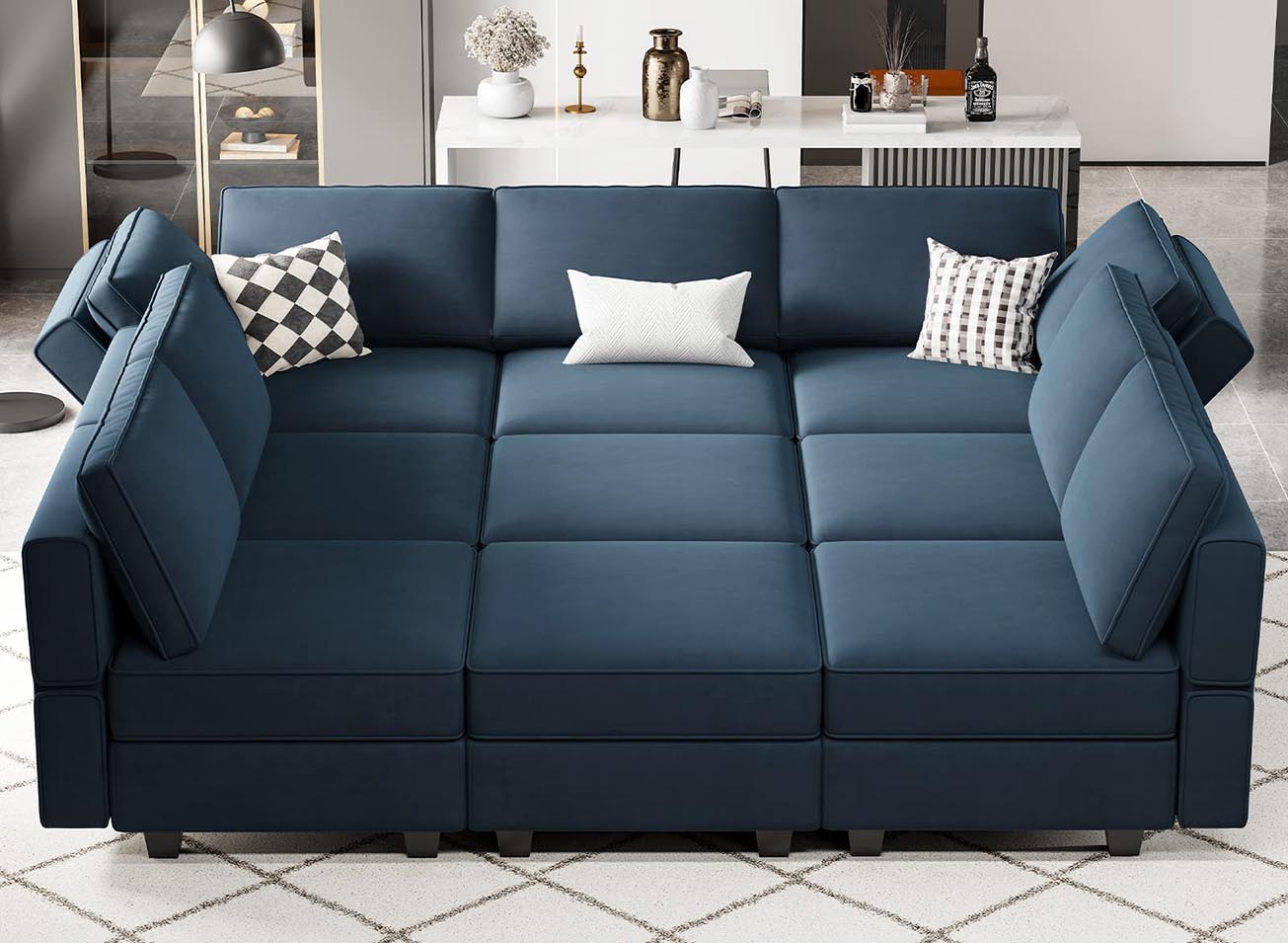
Choosing the right sofa isn’t just about picking something that looks good. It’s about finding a piece that fits your space, supports your lifestyle, and makes you want to sit down and stay awhile. Whether you’re furnishing a first apartment or redesigning a family living room, understanding size, material, and comfort is key to making a smart, lasting choice. This guide walks you through the essentials so you can choose a sofa that’s not just beautiful—it’s built to last.
Measure Your Space Before You Buy
Before you even step into a showroom, grab a tape measure. The most common mistake people make is buying a sofa that’s too big for their room. A large sectional might look impressive in a magazine, but it can easily overwhelm a small living room and block traffic flow. On the other hand, a sofa that’s too small can make a room feel empty and underfurnished. Start by measuring your room’s longest wall—this is where most sofas are placed. Allow at least 18 to 24 inches of clearance on each side for walking space and to keep the room from feeling crowded. Also, remember the path from your sofa to the coffee table, TV, or other key furniture. A good rule of thumb: the sofa should be 12 to 18 inches shorter than the wall it’s against. For example, in a 12-foot wall, a 10-foot sofa works better than a 12-foot one. If you’re on a budget or live in a compact apartment, consider a loveseat or a two-seater with a modular design. These offer flexibility and still provide a cozy, intimate feel.
Material Matters: Choose What Fits Your Lifestyle
The fabric of your sofa isn’t just about looks—it’s about durability, maintenance, and how much you’re willing to spend. For a family home with kids or pets, durability is non-negotiable. Microfiber and performance fabric are top choices because they resist stains, spills, and everyday wear. They’re also easy to clean with a damp cloth. For a more refined, elegant look, consider performance-grade velvet or linen blends. These feel luxurious but still hold up well under moderate use. Avoid pure cotton or silk unless you’re in a low-traffic area and can commit to regular maintenance. In a case study from a design firm in Portland, Oregon, a family who chose a light beige linen sofa ended up replacing it after just 10 months because of repeated spills and fading. They switched to a stain-resistant microfiber in charcoal gray, and the difference in longevity and ease of care was striking. Also, think about sunlight exposure. South-facing windows can fade lighter fabrics over time. If your sofa faces direct sunlight, opt for UV-protected materials or consider using a sheer curtain to reduce fade.

Comfort Is More Than Just Cushions
A sofa that’s comfortable for one person might not work for another. Some people prefer deep seats and back support, while others like a flatter, lower profile for lounging. The key is to test the sofa in person—as much as possible. Sit in the middle, at the edge, and even slouch against the back. Pay attention to how the seat feels under your hips and lower back. Is it too firm? Too soft? Good sofas have a layered cushion system: a firm base for support, a soft middle layer for comfort, and a top layer that springs back quickly. For those who spend a lot of time reading or napping, look for a sofa with a higher backrest, adjustable headrests, or even a built-in recliner. Designers in New York City often recommend the “two-second rule”: when you sit down, you should feel supported within two seconds—no sinking, no awkward shifting. Also, test the armrests. They should be at a height where your elbows rest comfortably when your arms are relaxed. A good sofa is like a good pair of shoes: it should feel right from the first sitting.

Think Long-Term: Style, Function, and Future-Proofing
Your sofa will likely stay in your home for 10 to 15 years. That’s why it’s not just about matching your current decor—it’s about choosing something that still feels fresh in 5 years. Neutral colors like gray, beige, or navy are safer bets than bold patterns or bright hues, which can date quickly. But don’t shy away from color entirely. A solid neutral base with a statement accent pillow can add personality without overwhelming the space. Consider the structure too. Look for a frame made of kiln-dried hardwood, not particleboard. It’s heavier, more stable, and less likely to creak or warp over time. Also, check the leg material. Metal legs are stronger and more modern; wooden legs may look classic but can scratch or dent. For example, a couple in Austin, Texas, renovated their 1950s bungalow and chose a mid-century modern sofa with walnut legs and a charcoal fabric. The piece blended seamlessly with their original wood floors and built-in shelving, creating a timeless aesthetic. After five years, they still love it—no fading, no sagging, no maintenance issues. That’s the mark of a smart, future-proof choice.

Final Tips: Bring the Whole Picture Home
When you’re ready to buy, take photos of your space—especially the lighting and wall colors. Use them to compare fabric swatches on your phone. Don’t rely on online images alone; ask for fabric samples when shopping in-store. Finally, keep your lifestyle top of mind. A busy parent might need a scratch-resistant, easy-to-clean fabric. A pet owner might want something stain-proof. A host who loves entertaining might prioritize deep seats and ample seating capacity. Your sofa should reflect not just your taste, but your life. By carefully matching size, material, and comfort to your real-world needs, you’ll find a piece that isn’t just decorative—it’s essential. And that’s the foundation of a truly great living room.