Why Your Home Office Needs Smart Storage
The rise of remote work has made the home office more than just a functional space—it’s now a personal sanctuary for focus, creativity, and productivity. Yet for many, the dream of a calm, clean desk quickly fades under the weight of cables, notebooks, sticky notes, and half-finished coffee mugs. One study found that the average worker spends nearly 1.5 hours per week looking for misplaced items, a staggering loss of time and mental energy. The answer isn’t just willpower—it’s smart storage. When your home office is thoughtfully organized, it doesn’t just save time; it reduces stress, boosts concentration, and makes your daily routine feel more intentional.
Take Sarah, a freelance graphic designer living in Portland, Oregon. Her 10-by-12-foot bedroom was converted into her studio. At first, she piled her design tools, sketchpads, and client files on a small wooden desk. Within days, the surface was buried. After a month of constant frustration, she invested in a modular storage system. The result? Her desk now holds only her monitor, keyboard, and a single notepad—everything else lives in designated, accessible zones. “I feel more in control of my time and thoughts,” she says. “It’s like my mind finally has room to breathe.”
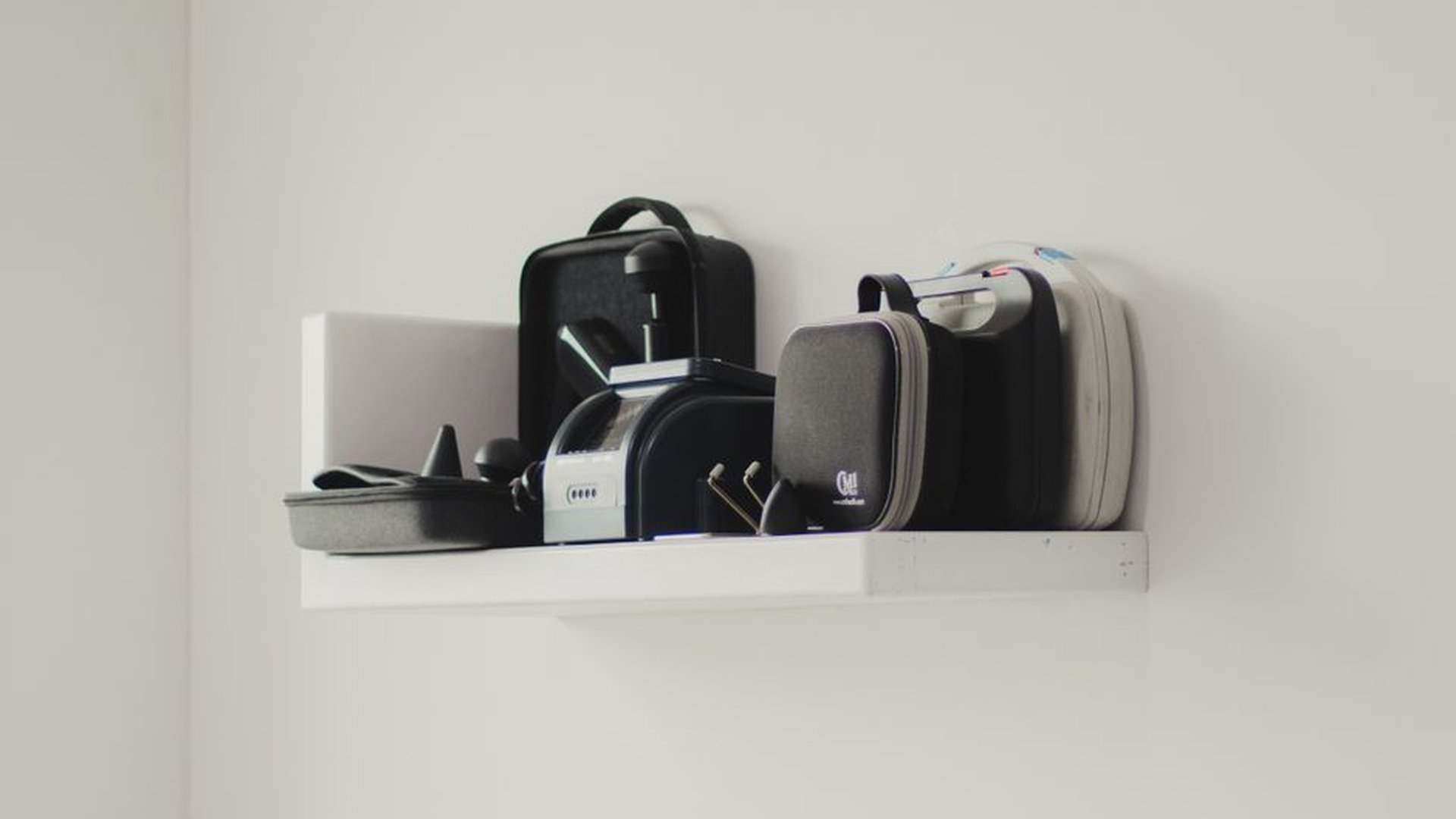
Wall-Mounted Solutions for Maximum Floor Space
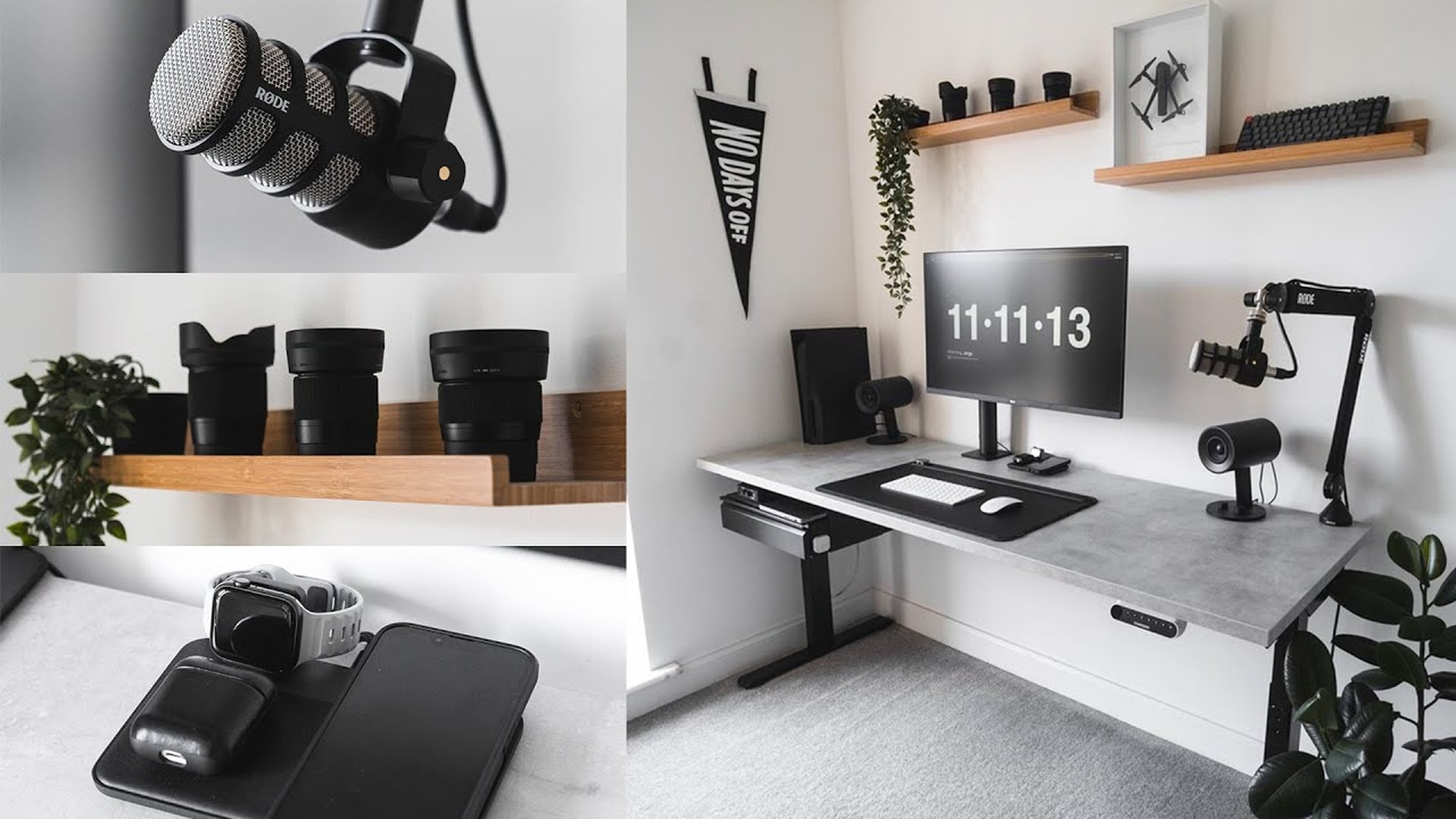
If you’re working in a compact apartment or a shared room, floor space is at a premium. That’s where wall-mounted storage comes in—a game-changer for small or open-concept offices. These systems keep essentials within reach while lifting clutter off the desk and the floor. A floating shelf with built-in cable management is ideal for holding your notepad, pen holder, and a small lamp. Look for models made from light-colored wood or matte metal to keep the look airy and modern.
Consider the Nordic-inspired wall unit popular in Scandinavian homes. These slim, vertical units often feature open shelves with soft-close drawers beneath. They’re designed to hug the wall, minimizing visual bulk. In a 2023 interior design survey, 68% of users reported feeling more focused when working in a room where 70% of storage was wall-mounted. It works because it removes distractions—no more eyeballing piles of paper or phones scattered on a flat surface.
One standout example is the KALLAX-style modular wall system from a Danish design brand. It uses interchangeable panels and baskets to adapt to changing needs—perfect for freelancers who shift between client projects, personal work, and creative brainstorming. The open-front bins, often lined with fabric or felt, help contain visual chaos without sacrificing accessibility.
Drawer Units with Hidden Compartments
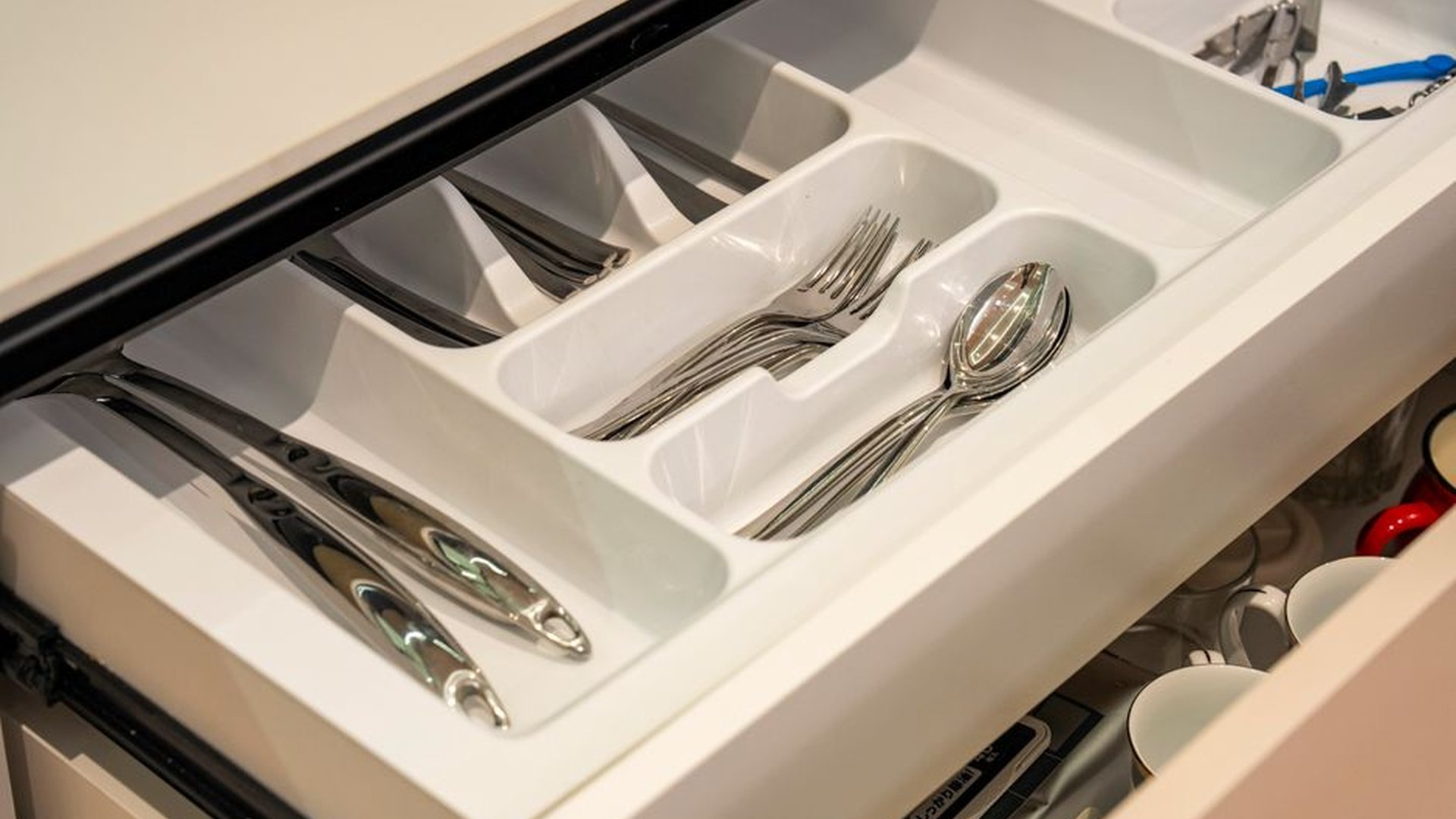
Every professional knows the struggle of finding that one missing document or USB drive. A smart drawer unit can solve this with hidden compartments and smart dividers. Look for models with soft-close mechanisms, anti-slip linings, and built-in lighting. Some even come with charging ports and RFID-blocking sleeves for secure storage of credit cards and digital keys.
The best drawer systems are built to fit the size and rhythm of your life. For example, the 3-drawer unit from a German furniture brand features a center drawer with shallow drawers for pens, a mid-level compartment for business cards and memos, and a deep base for files or larger tools like a scanner. The drawers glide silently and lock automatically—ideal for homes with pets or children who might accidentally open them.
In a personal case study from Austin, Texas, a college professor used a custom drawer set to organize her research notes, grant applications, and student feedback. She divided the unit into color-coded sections: blue for academic writing, green for grant proposals, red for student evaluations. “I can now go from writing a paper to reviewing a student’s essay in under 10 seconds,” she says. “The physical organization has actually improved my mental workflow.”
Multi-Functional Furniture: When Style Meets Function
The most powerful storage solutions don’t just hold things—they transform your space. Multi-functional furniture blends the roles of desk, shelf, and storage into a single elegant piece. These designs are ideal for apartments, home offices connected to living areas, or anyone who values a seamless living-work balance.
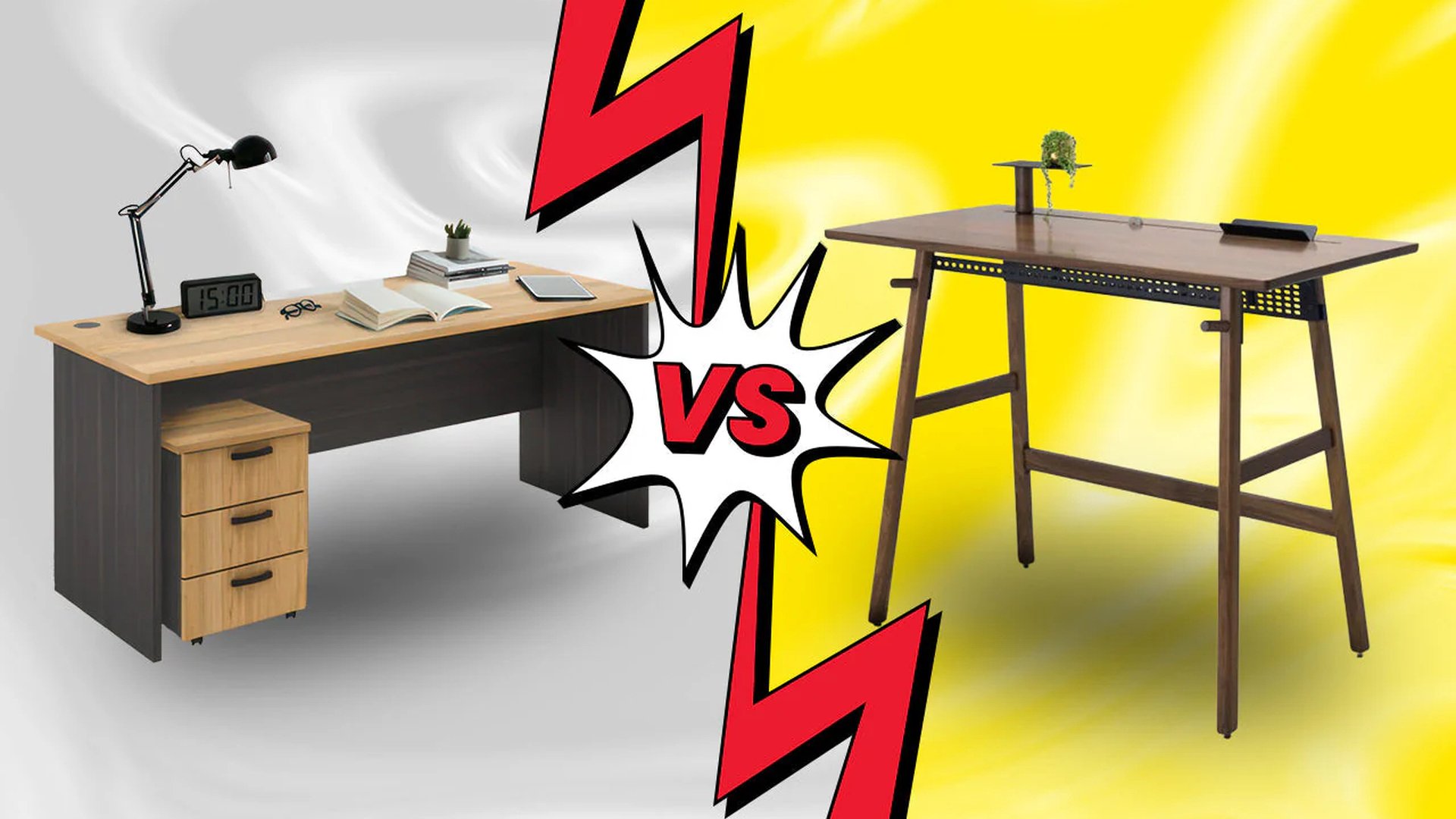
One standout example is the convertible standing desk with built-in drawers and a pull-out file cabinet. At first glance, it looks like a standard wooden desk, but flip up the lid and you reveal a full-sized drawer system beneath. Some models even include a built-in monitor stand and wireless charging pad. In a city like New York, where space is limited and every square foot counts, this kind of furniture is more than practical—it’s a lifestyle upgrade.
Another smart choice is a storage ottoman. Not only does it provide a place to rest your feet, but it also opens to reveal hidden space for extra supplies—think printer paper, extra cables, or even a spare laptop. Some models use a gas lift mechanism so it opens with one gentle push. In a Brooklyn apartment, a web developer uses a velvet-covered ottoman to store his backup drives, backup phone, and even a yoga mat. “It’s like my office has a spine—everything’s connected, and everything’s tucked away,” he says.
Less Is More: The Visual Impact of a Clear Desk
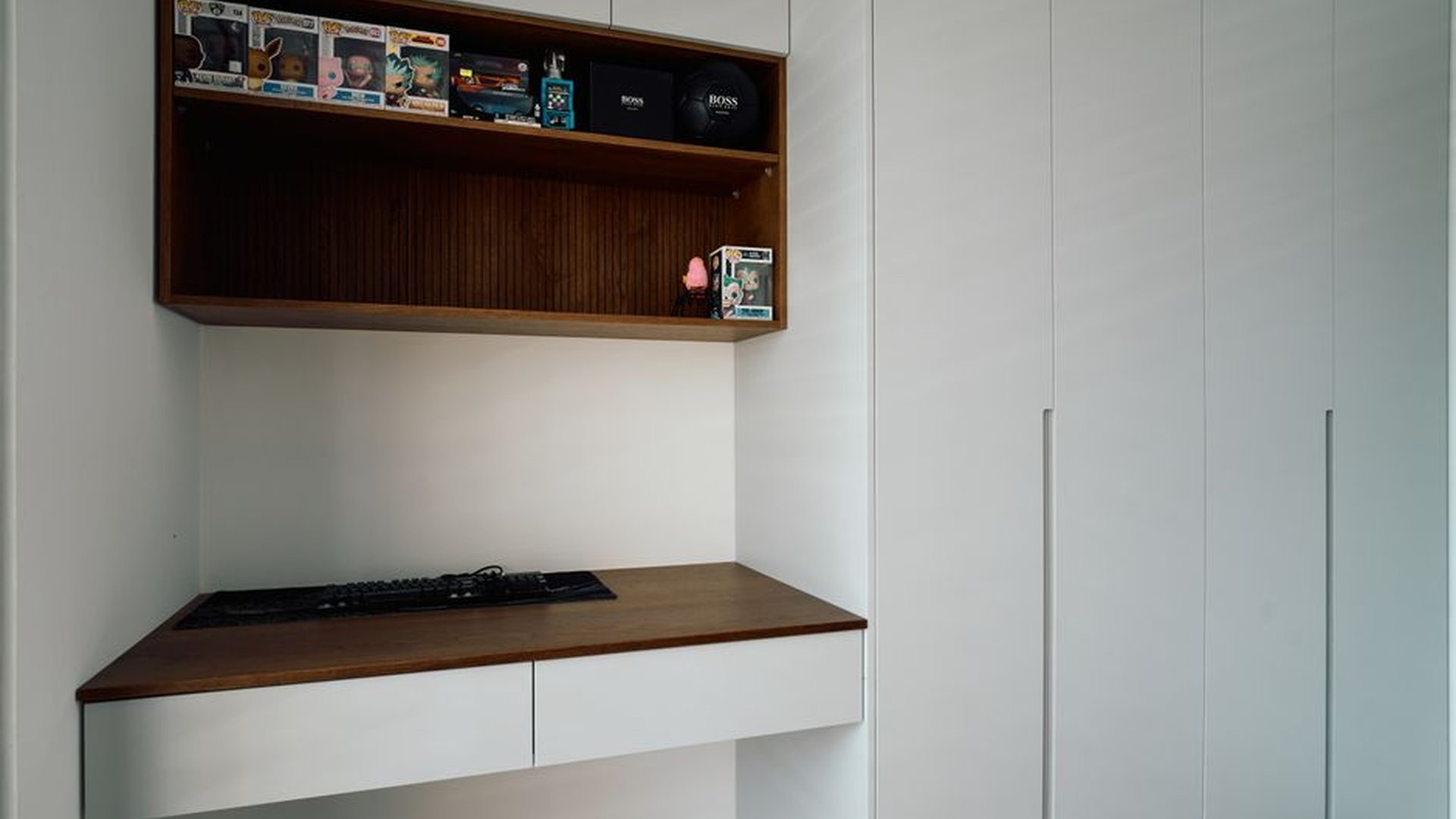
The final, most powerful rule of home office storage? Less is more—not just in quantity, but in design. A clean desk isn’t just about hiding stuff; it’s about curating a space that inspires clarity. Research shows that people who work at clutter-free desks complete tasks 20% faster and report higher job satisfaction.
When choosing storage, always ask: “Does this piece support my workflow, not distract from it?” Avoid overly ornate shelves with too many visible bins. Instead, opt for neutral tones—white, light gray, or natural wood—paired with hidden or semi-hidden compartments. Use baskets with lids, fabric-covered bins, or translucent drawers to keep items stored while still visible for easy access.
The goal isn’t perfection—it’s consistency. A simple nightly routine of clearing your desk and placing items back in their designated spot can shift your mindset from reactive to proactive. It creates a ritual that signals the end of work and helps you mentally transition out of productivity mode.
In the end, a well-organized home office isn’t about having the most expensive pieces. It’s about creating a system that fits your habits, respects your time, and honors your creativity. With the right storage, your desk becomes more than a surface—it becomes a silent partner in your daily success.