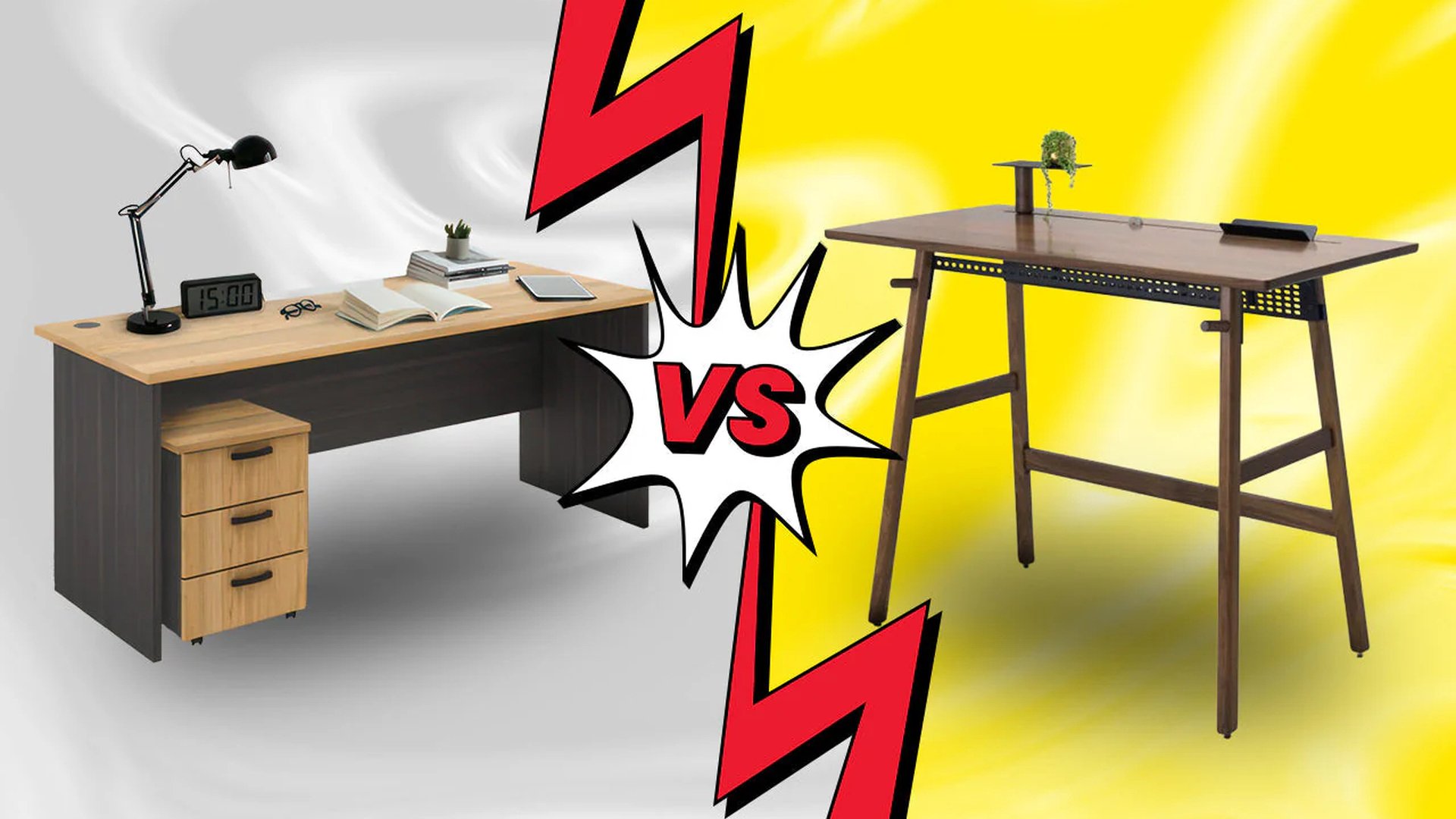
Standing Desk vs Traditional Desk: Which Is Better Long Term
In recent years, the shift from traditional seated work to standing desks has sparked a strong debate across home office communities. As more people spend 8 to 10 hours a day at their desks, the long-term health and performance impacts of desk type are under closer scrutiny. The simple question—standing desk vs traditional desk: which is better long term?—is no longer just about comfort; it’s about sustainability, health, and productivity.
Long-Term Health Effects: What Research Shows
The most compelling argument for standing desks comes from health science. Studies conducted by the Mayo Clinic and the American College of Sports Medicine reveal that prolonged sitting increases the risk of heart disease, type 2 diabetes, and even early mortality. Over time, sitting for more than six hours a day reduces blood circulation, weakens core muscles, and contributes to poor posture.
In contrast, standing desks encourage gentle movement and better posture. A 2020 study published in the journal *Occupational & Environmental Medicine* found that workers using standing desks reported 32% less back pain after just 12 weeks. They also experienced improved focus and energy levels. These aren’t anecdotal tales—the data shows measurable, positive changes.
But it’s not all about standing. Traditional desks, when paired with the right ergonomic chair and monitor height, can still support healthy posture. However, their long-term benefits are limited unless users actively change positions every 30 to 60 minutes. Without movement, even a well-designed traditional desk becomes a passive trap for sedentary behavior.
Productivity and Focus: Does Standing Boost Performance?
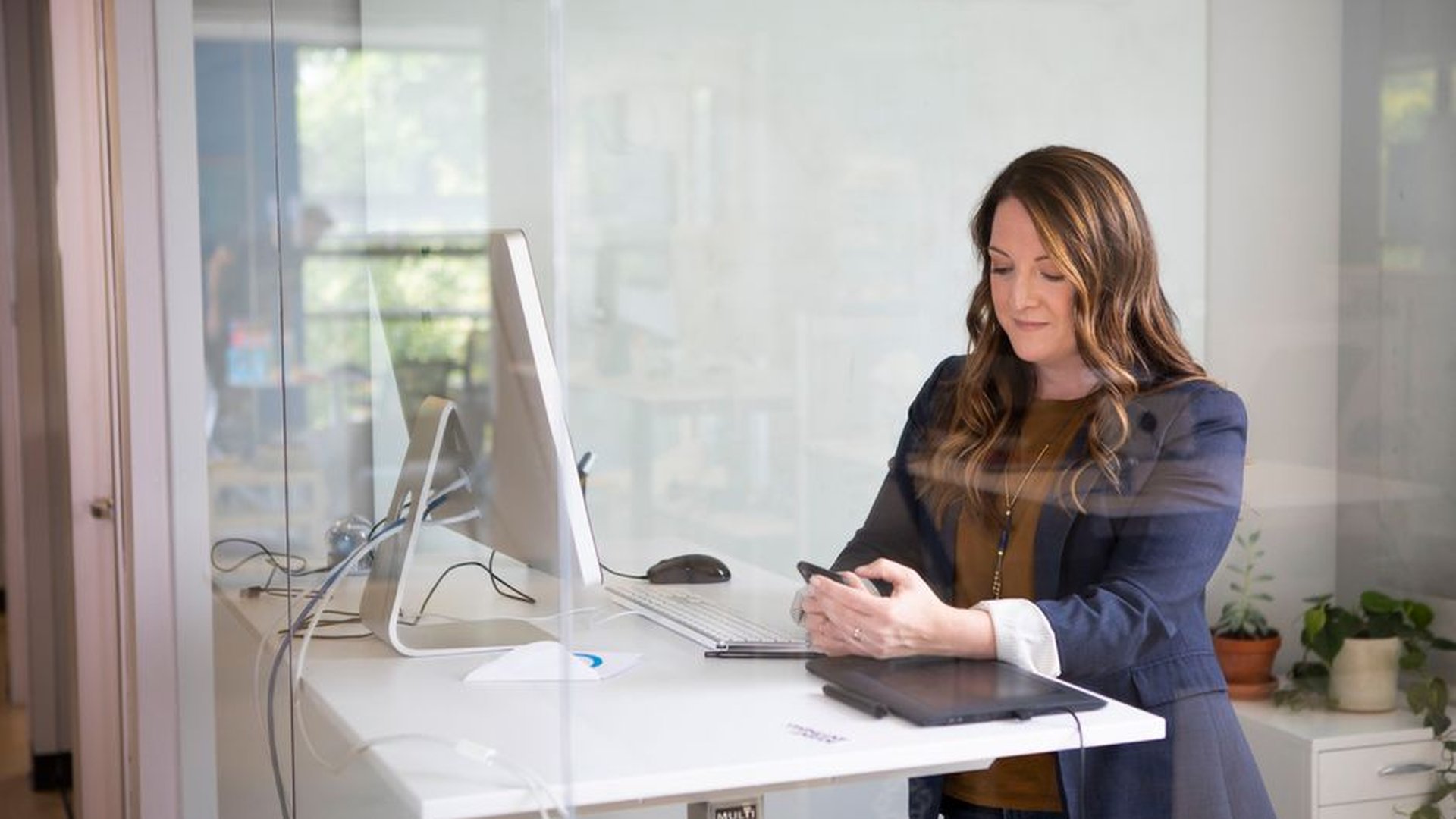
Many people assume that sitting more equates to longer focus. But the truth is more nuanced. Several workplace trials, including one at the University of Missouri, found that employees using sit-stand desks reported higher alertness and better mental clarity. They were less likely to experience mid-afternoon energy crashes, a common complaint among remote workers.
One freelance graphic designer in Austin, Texas, shared her experience: “I used to lose motivation after 2 PM. But since I switched to a standing desk, I’ve been able to complete more design tasks in the same time frame. The energy boost is real, and I’m not just imagining it.”
Standing doesn’t automatically mean higher output. It’s about movement. When you shift weight, stretch your legs, or subtly rock on your feet, your brain receives a continuous stream of sensory feedback that enhances concentration. In contrast, traditional desks that don’t encourage frequent posture shifts may lead to mental fog over time, especially for those working from home without natural movement breaks.
Home Office Setup: Real-Life Examples
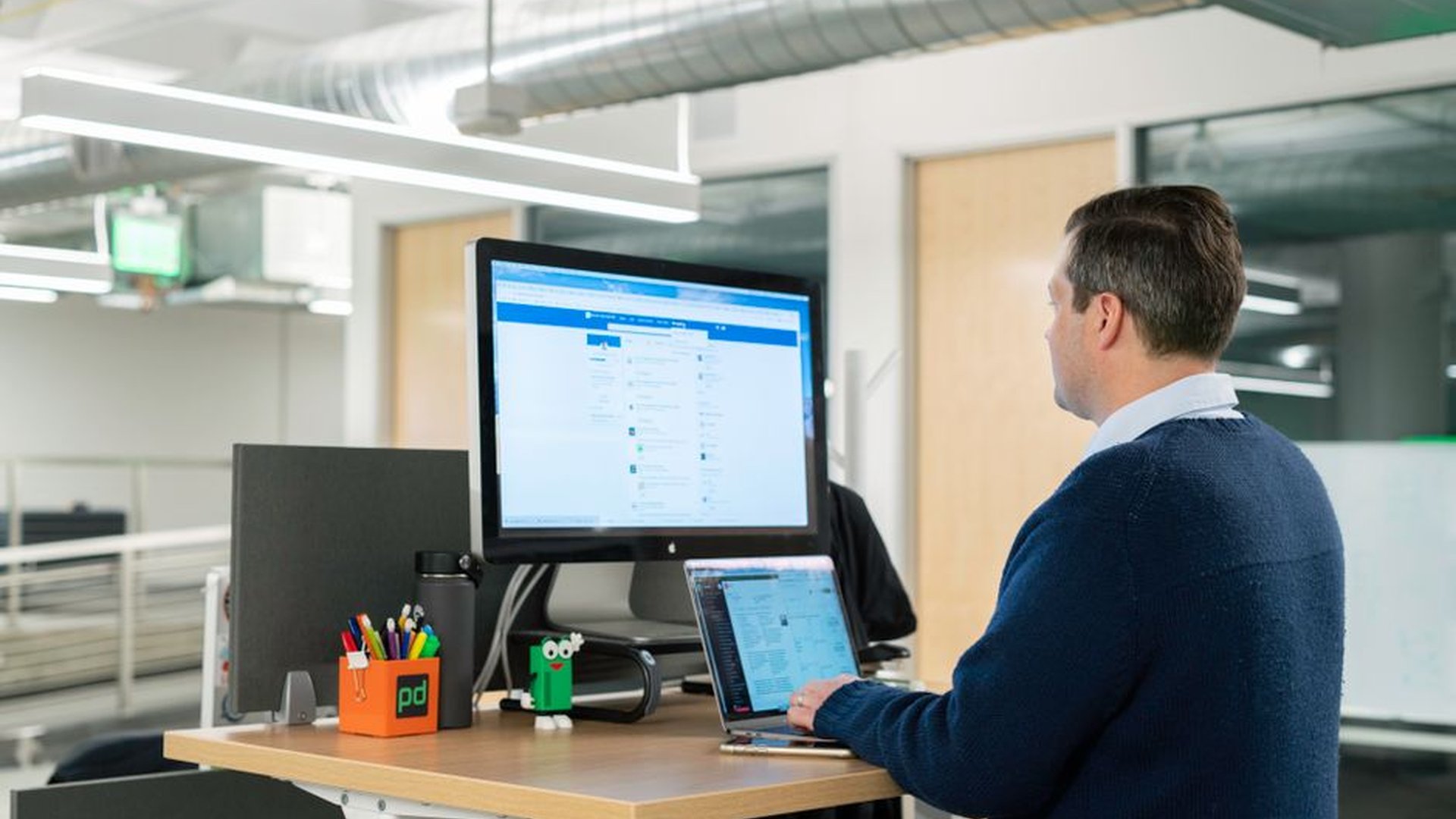
Consider the case of James, a remote software developer in Portland, Oregon. For five years, he worked on a standard desk, using a chair with lumbar support. Despite these efforts, he began experiencing chronic lower back pain and frequent neck stiffness. After researching ergonomic solutions, he invested in a dual-mode electric standing desk.
“It took a few weeks to adjust,” he admitted. “I’d stand for 20 minutes, then sit for 20, and gradually increase. Now, I alternate every 45 minutes. My pain is 70% better, and I notice I’m more responsive during team meetings.”
His setup includes a monitor at eye level, an external keyboard and mouse, and a rubber mat to reduce fatigue. He says the key isn’t just the desk—it’s the habit of movement.
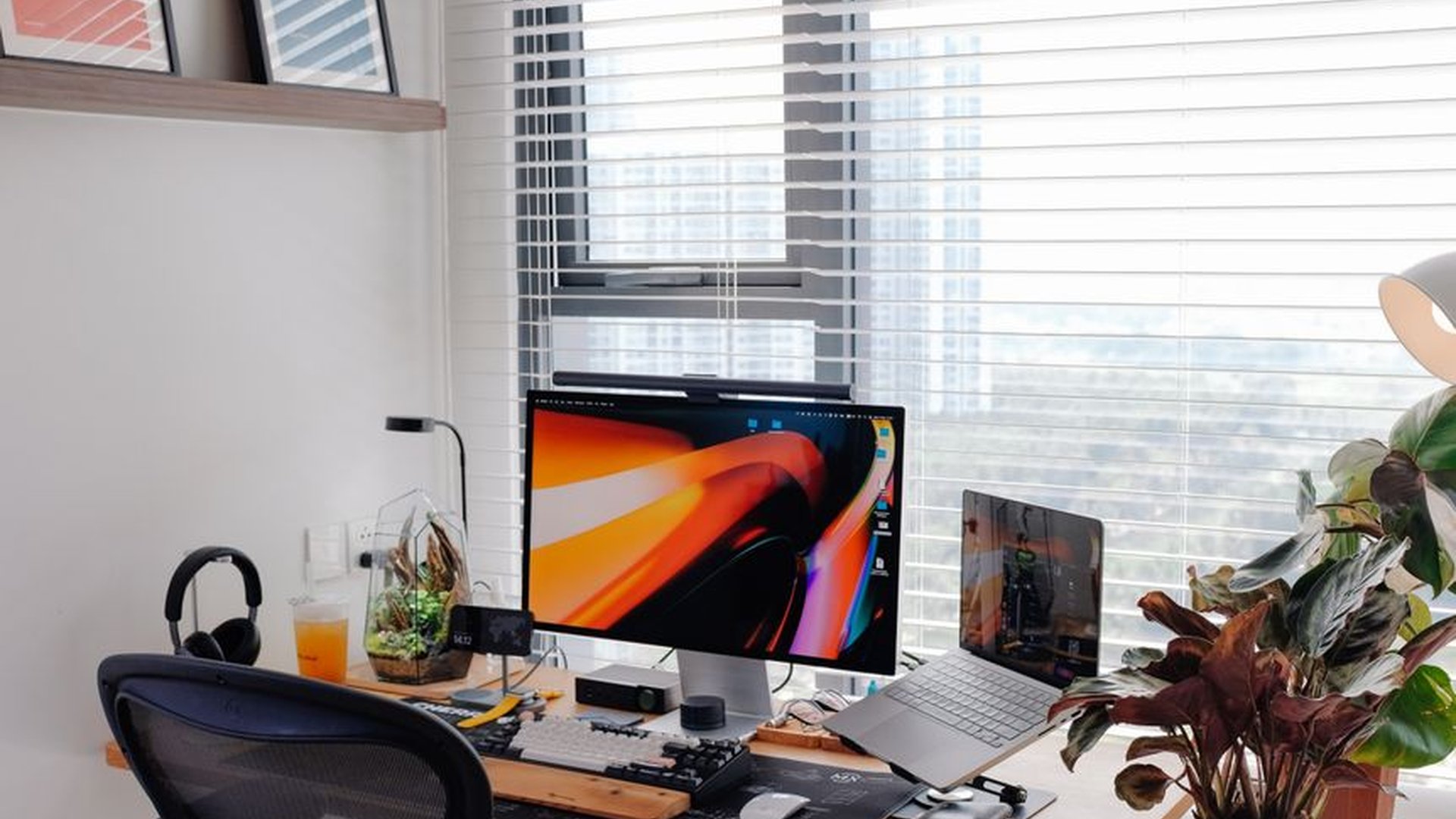
On the other hand, Maria, a freelance writer in Seattle, kept her traditional desk but redesigned her workspace. She added a footrest, a standing pad, and set a 20-minute alert every hour to stand and stretch. She reports that her mood and creativity have improved, even without switching to a standing desk.
These two cases show a critical truth: proper ergonomics matter more than desk type alone. But for long-term sustainability, standing desks offer a more scalable solution to combat sedentary habits.
The Trade-Off: Comfort, Cost, and Adaptation
No discussion is complete without addressing practical concerns. Standing desks often cost 2 to 3 times more than standard desks. A basic electric height-adjustable model can start at $400, while basic sit-stand models begin at $250. Entry-level standing desks may lack smooth motor control or weight capacity, so buyers should check specs carefully.
Comfort is another factor. Standing for long periods without proper support can cause foot and leg fatigue. But this isn’t a flaw of the standing desk—it’s a call to complete the ecosystem. Adding anti-fatigue mats, supportive footwear, or even a small footrest dramatically improves comfort.
Traditional desks are more affordable and simpler to install. But if you’re planning to work from home long-term, even a $100 desk may not prevent health issues over 5 to 10 years. The long-term cost—both physical and mental—of poor posture may outweigh short-term savings.
The Verdict: What’s Best for Your Long-Term Workspace?
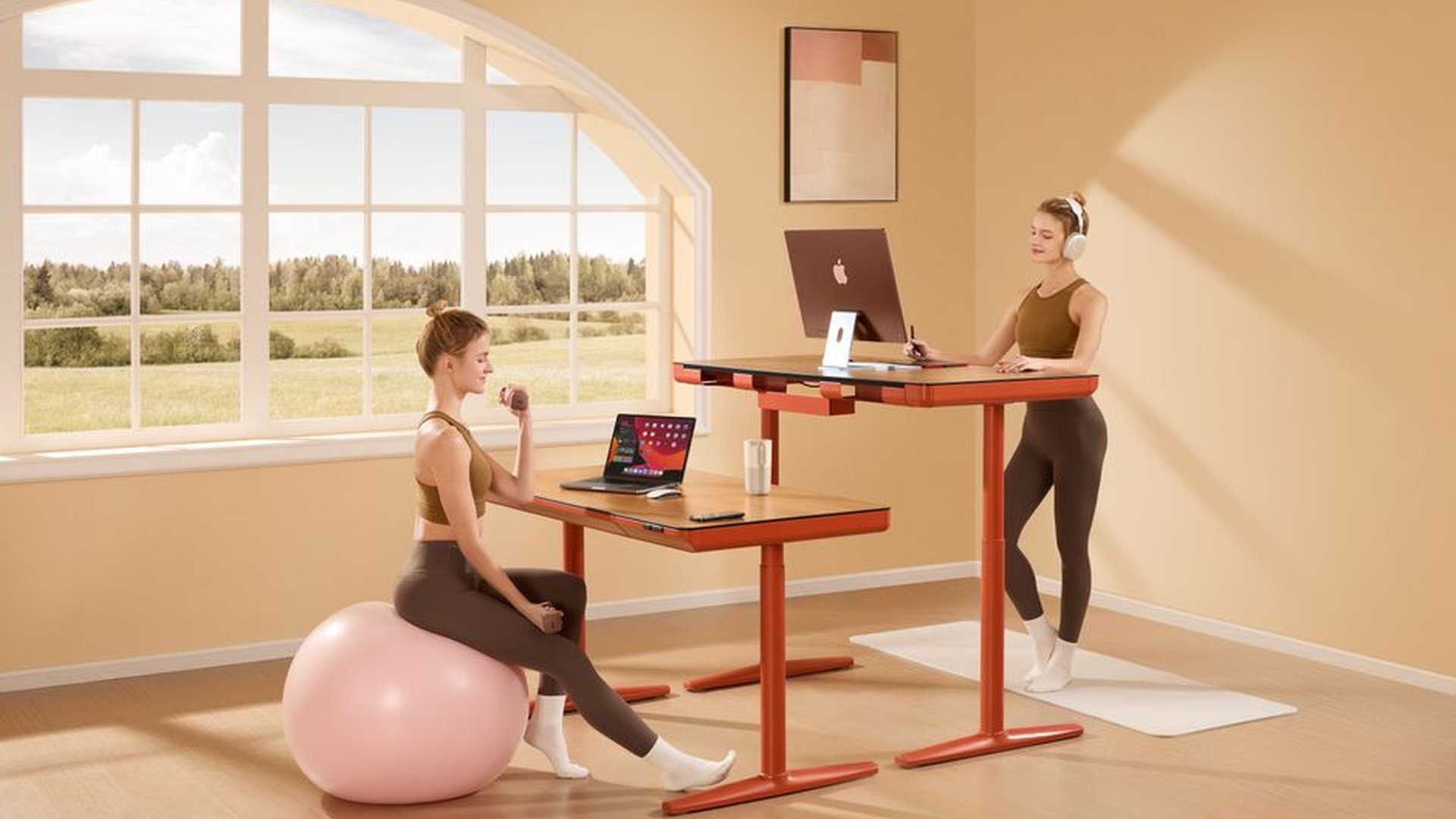
After examining health impacts, productivity, and real-world outcomes, the answer isn’t binary. For long-term well-being, a standing desk offers a stronger foundation. It naturally encourages movement, reduces sedentary risks, and aligns with modern health research.
But it’s not a magic solution. The best setup combines a standing desk with thoughtful ergonomics, scheduled movement breaks, and adjustable monitor placement. If budget or space limits a full-height-adjustable desk, a manual riser with a monitor arm and anti-fatigue mat is a smart compromise.
Ultimately, the choice isn’t just about furniture—it’s about lifestyle. Standing desk vs traditional desk isn’t a one-time decision. It’s a long-term commitment to how you want to feel at your desk, not just what you see. For those who value long-term health, energy, and mental clarity, a standing desk isn’t just better—it’s essential.