Why Mixing Dining Chairs Is More Than Just a Trend
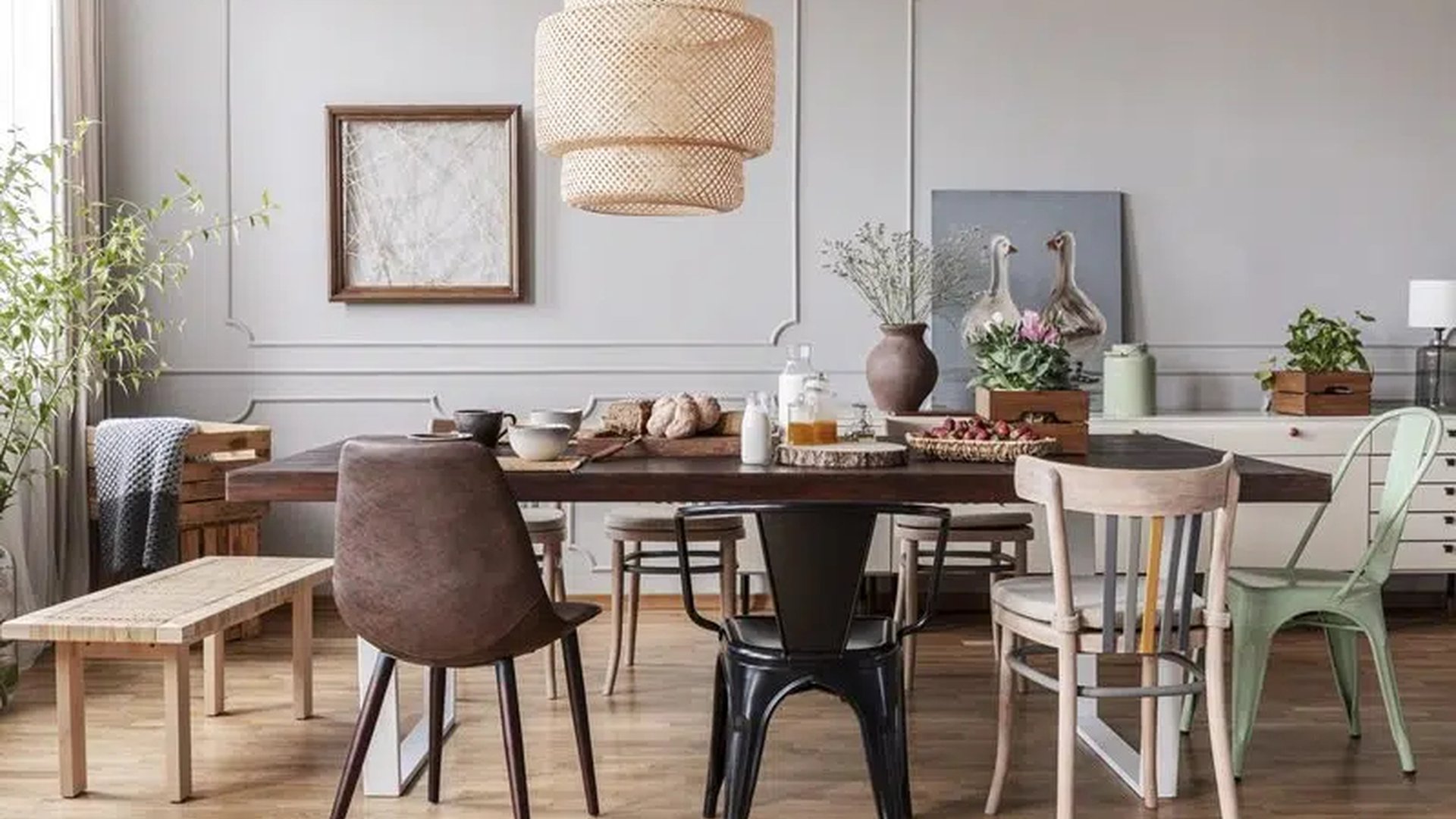
Gone are the days when every dining chair had to match perfectly—like a uniform army of wood and fabric. Today’s most stylish dining rooms embrace variety. Why? Because real homes aren’t about perfection. They’re about personality. A dining table isn’t a display piece in a museum. It’s a gathering point for meals, laughter, and long talks over coffee. And the chairs around it should reflect that warmth, not just a factory-built set. Mixing dining chairs isn’t a design flaw—it’s a creative choice. When done right, it adds depth, charm, and character to your space. Think of it as a curated collection, not a mass-produced pair.
Start with the Foundation: Table and Color Palette
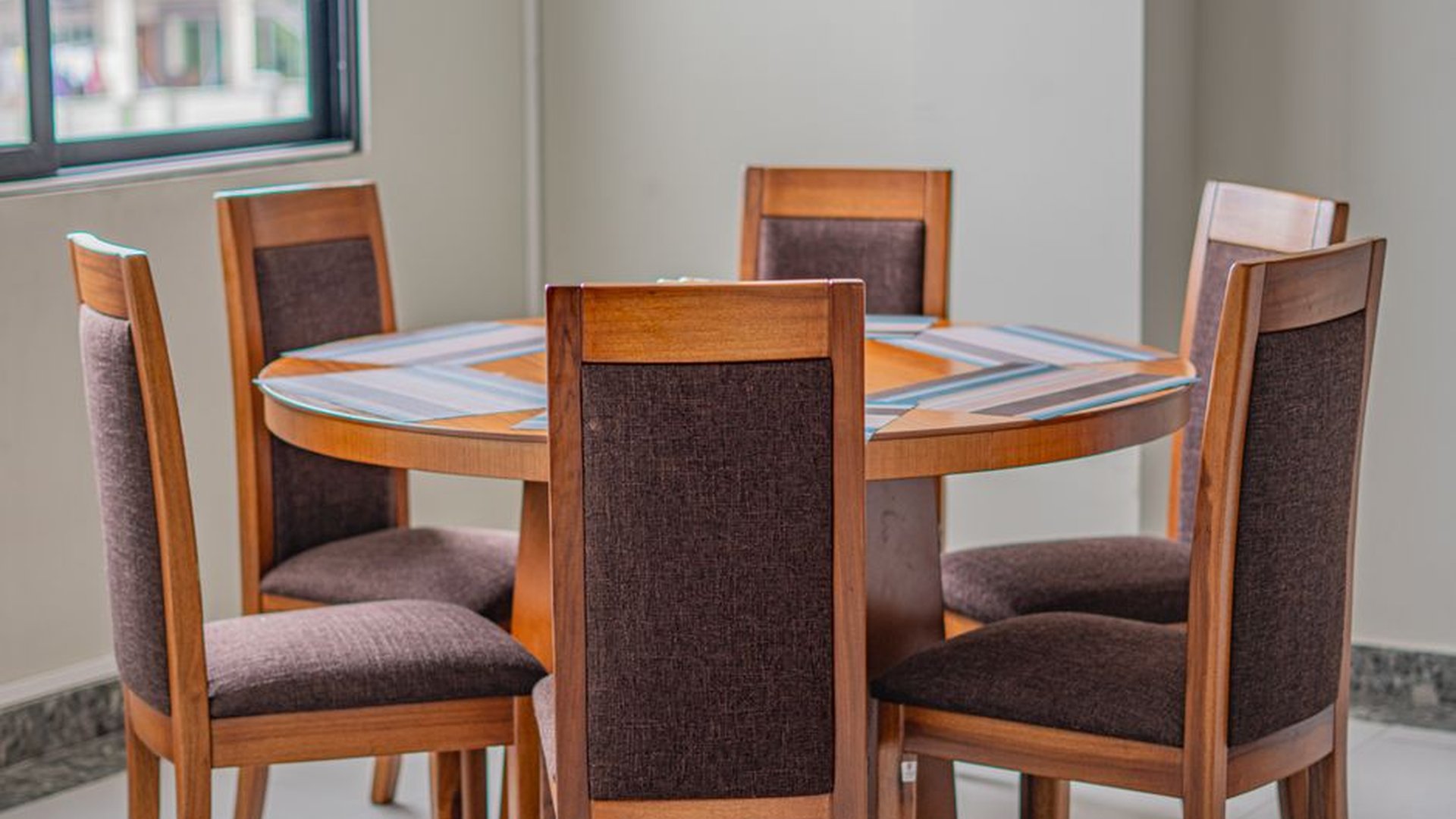
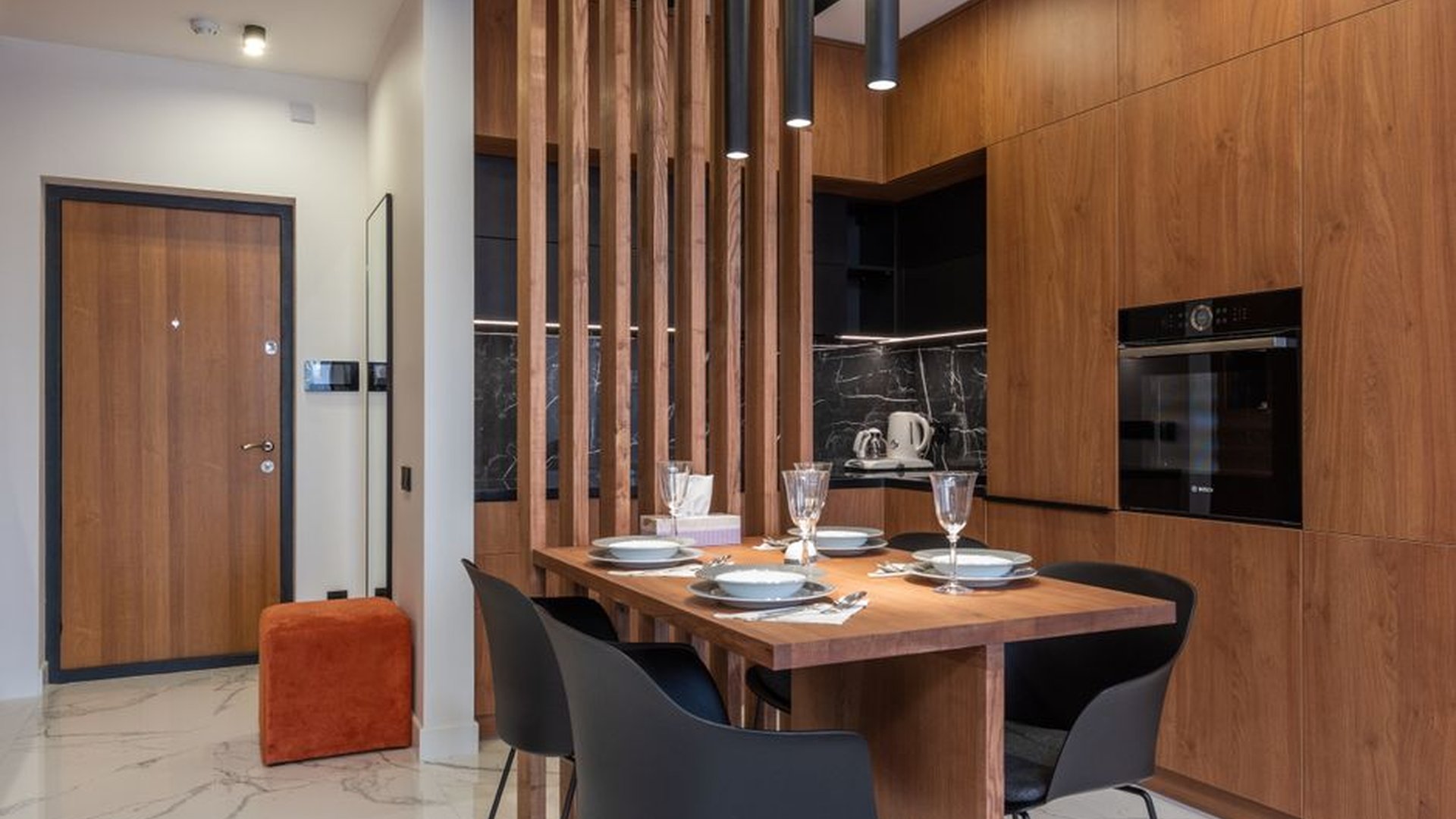
Before you begin picking out chairs, stand back and look at your dining table. What’s its material? Is it light oak, dark walnut, or maybe a sleek marble-top? What’s the surrounding space like? Is your kitchen open to the living room with soft beige walls? Or is your dining area tucked into a corner with warm gray tones? Your chair choices must tie into this world. For example, if your table is a light, airy oak with a natural finish, opt for chairs with warm wood tones, light linen upholstery, or even natural rush seats. But if your table is a heavy, dark walnut with a modern edge, you might pair it with a sleek black metal base and a deep charcoal fabric seat. The key is to choose chair styles that complement—rather than clash with—the dominant elements of your table and room.
Balance Is Everything: Mixing Stools, Armchairs, and Side Chairs
The magic of mixing dining chairs lies in balance. You don’t need to use the same style across the table, but the overall look should feel intentional. A common mistake? Adding a wild mix of shapes and materials without a unifying thread. Here’s a real-life example: in a Brooklyn brownstone, a couple used a vintage 1950s side chair with a red wool seat for one end of their long dining table. At the other end, they placed a modern bentwood stool with a white fabric seat. In the middle, they added a pair of cleaned-up 1970s wooden armchairs from a thrift shop. The result? A dynamic, layered look that felt lived-in and authentic. How did they make it work? They kept the color story simple—variations of cream, rust, and walnut. All chairs shared a similar seat height and back angle, creating visual rhythm. Remember: you’re not creating a collage. You’re crafting a narrative.
Consider Function and Comfort—It’s Not Just About Looks
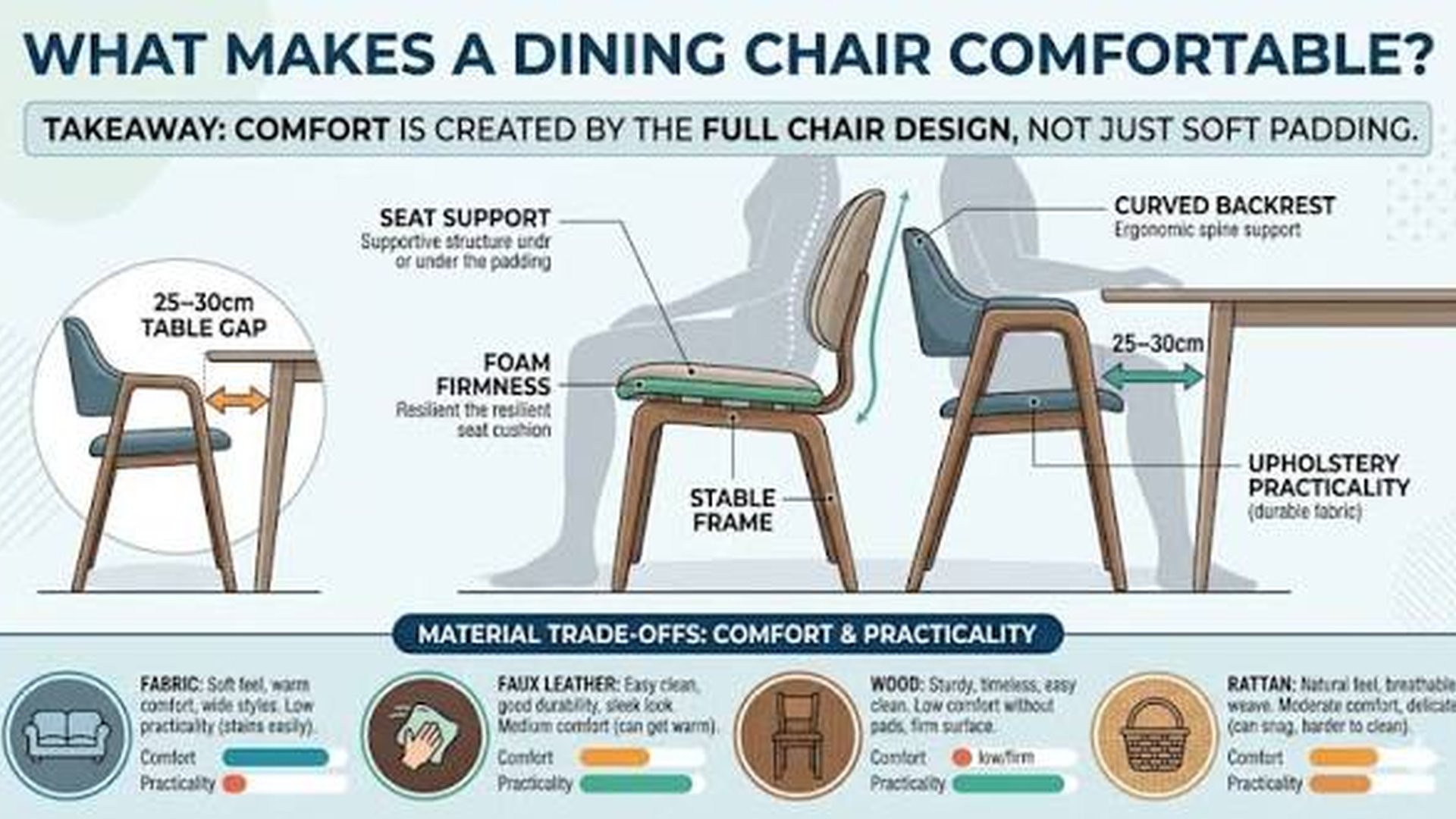
A dining chair can’t just look good on a wall or in a photo. It needs to hold your body during a 90-minute meal, provide back support through a family argument over dessert, and stay stable when you’re reaching for the salt. So, when mixing chairs, always test the height. Make sure the seat height (typically 18 to 20 inches) matches across the table. Uneven seating makes for awkward posture and awkward conversations. Also, check that the backs are at a similar angle—no one wants to tilt forward like they’re in a gym class.
Here’s another smart trick: pick one chair as the anchor. That’s the one you’ll use most—maybe it’s the most comfortable or the one that fits your table best. Then, design the other chairs around it. If you’ve got a favorite armchair, use it at the head of the table. The other pieces become supporting roles, not co-stars. This prevents the whole room from feeling fragmented.
Textiles and Finishes: The Secret Connectors
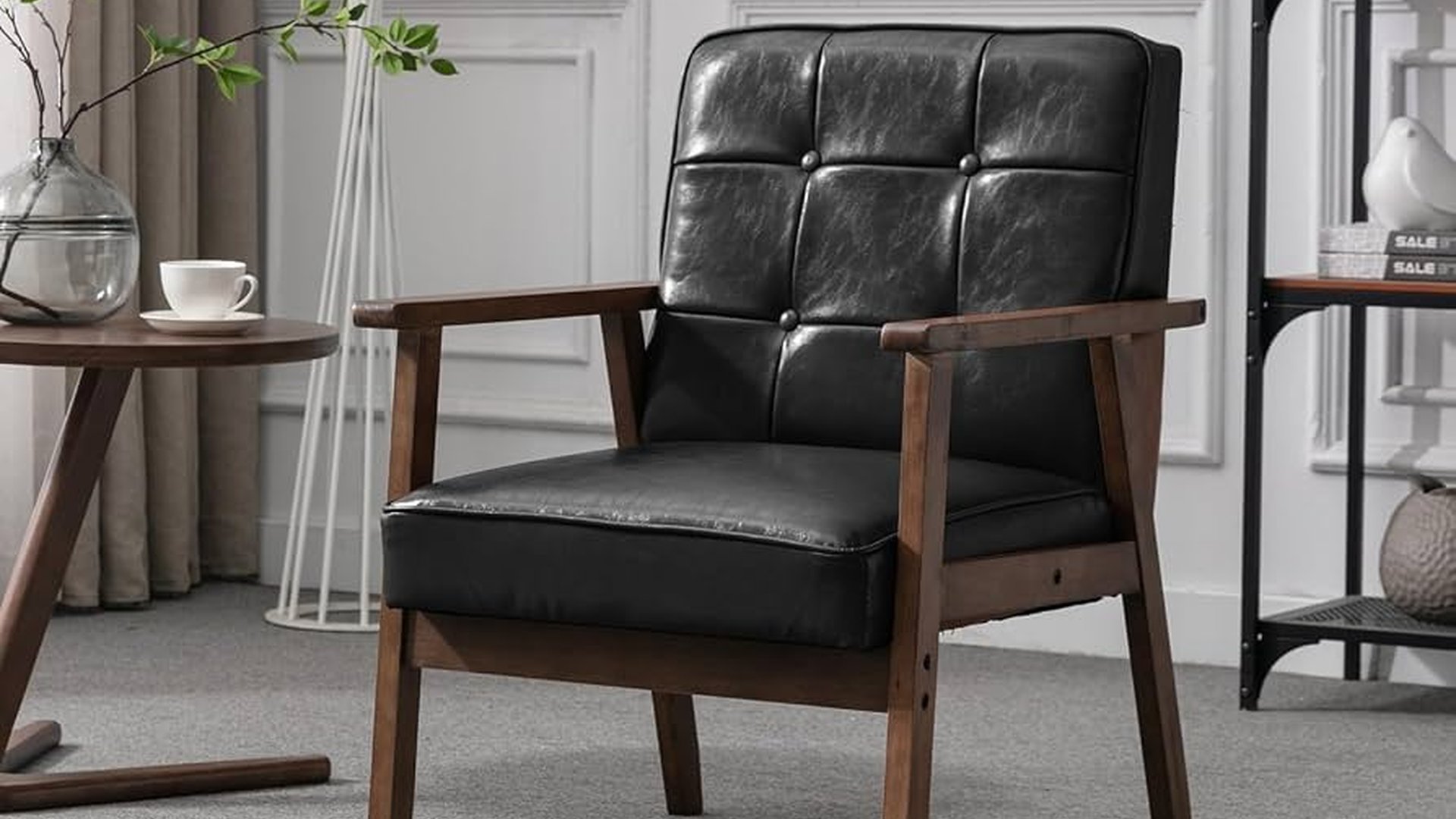
Even if your chairs come from different eras, styles, or materials, the secret to a unified look often lies in texture and finish. Think about how your fabric choices can tie things together. For instance, a mid-century modern walnut chair with a black leather seat might feel too sharp next to a white-painted wooden chair with a soft linen seat. But if both feature the same type of fabric on the seat—the same weave, texture, or even pattern (like a subtle herringbone)—they suddenly feel like they belong. Another trick: use a shared element like a brass base, a woven seat, or a particular type of wood finish. In a Seattle home with a reclaimed wood dining table, the owners used three different dining chairs: a chalk-painted French country style, a modern Eames-style molded plastic chair, and a brutalist-style black steel chair. All three had the same matte black metal base. That single detail made the mix feel intentional, not chaotic.
Final Tip: Let Your Space Tell Your Story
Real homes don’t look like magazine spreads. They look like you—your life, your taste, your memories. The best dining rooms aren’t perfect. They’re full of people who’ve sat, laughed, spilled wine, and left sticky fingerprints. That’s what makes them beautiful. When you mix dining chairs, you’re not hiding your past or your preferences. You’re celebrating them. Maybe that wooden chair came from your grandmother’s kitchen. Maybe the metal one was a gift from a friend who traveled to Milan. Each piece tells a story. And when you mix them with care, your dining room becomes more than a place to eat. It becomes a place where stories gather, one chair at a time.