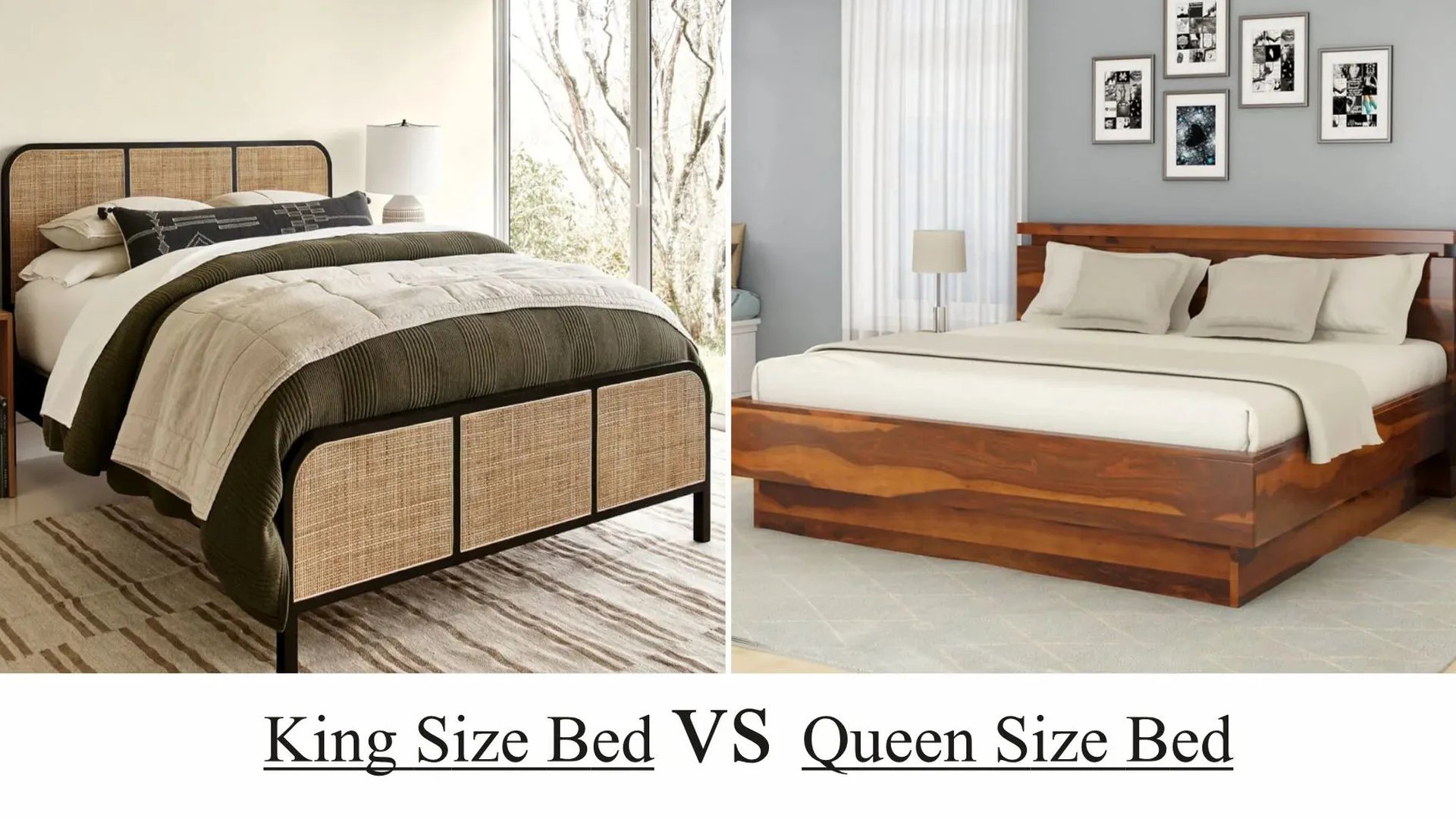
King vs Queen Bed: Which fits your bedroom
When it comes to choosing a new bed, the decision between a king and queen might seem simple—bigger is better, right? Not always. The right bed size isn’t just about how much space you have; it’s about how you use your bedroom, who sleeps in it, and how you want the room to feel. Whether you’re redesigning a master suite, updating a guest room, or setting up your first apartment, understanding the real differences between a king and queen bed can help you make a smart, stylish choice.
Size Differences: More Than Just Inches
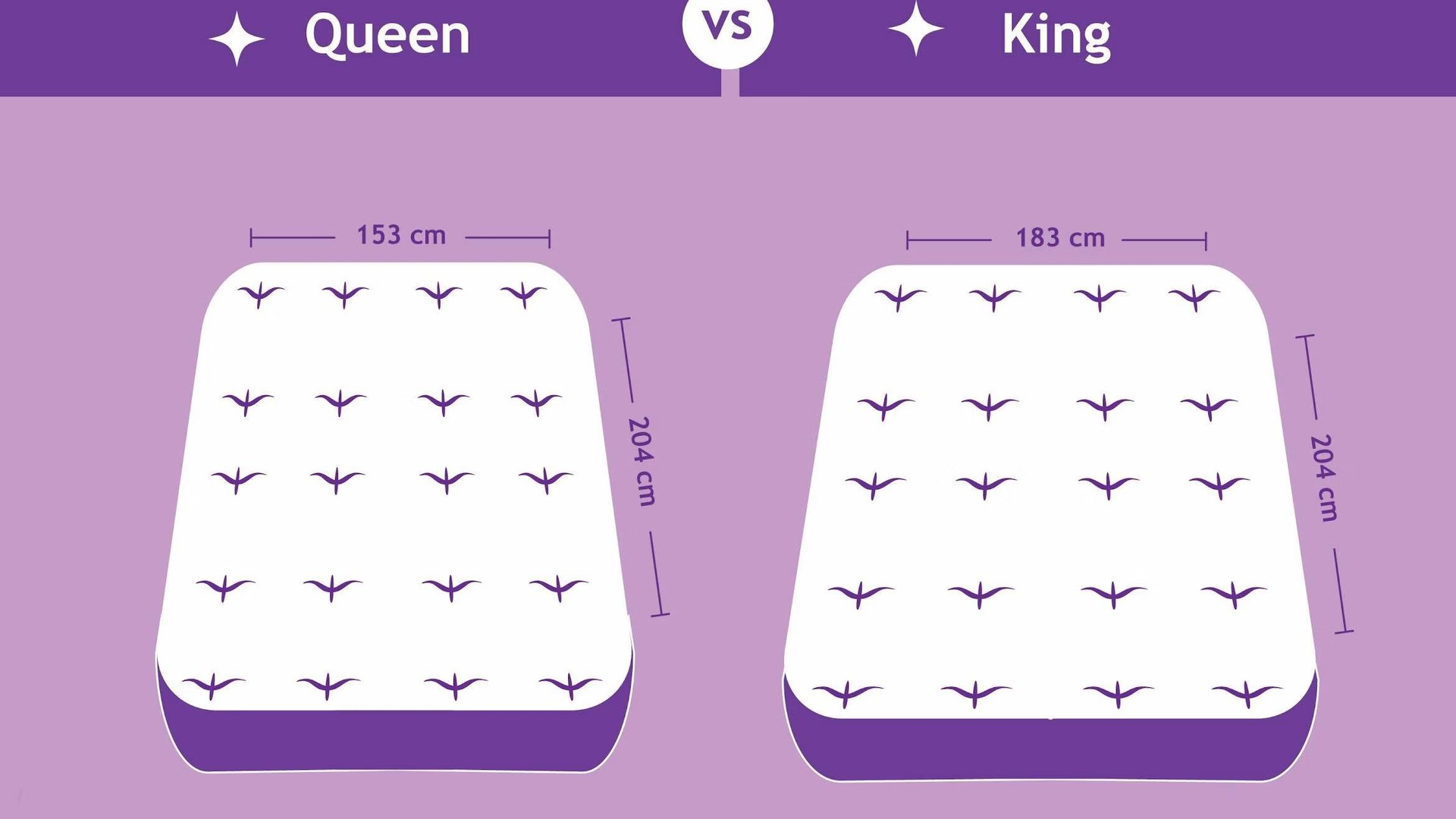
Let’s start with the facts. A standard queen bed measures 60 inches wide by 80 inches long—just enough for two adults to share comfortably, with room to move. A king bed, on the other hand, is 76 inches wide and still 80 inches long. That’s a full 16-inch difference in width—almost the width of a standard doorway.
That extra space isn’t just a luxury. It means more room to stretch, roll over, or even share the bed with a pet (yes, some people do). For couples who value personal space while sleeping, a king bed offers a true retreat. But for smaller bedrooms, that extra width can feel overwhelming—especially when you factor in nightstands, dressers, and a walkway around the bed.
In a 10×10-foot bedroom, a queen bed leaves a comfortable 24-inch path on each side. A king bed, though, might reduce that clearance to just 12 inches, making the room feel cramped and less functional.
Real-Life Scenarios: What Works in a Home
Consider Sarah and James, a couple in their late 30s who recently moved into a 14×12-foot master bedroom in a renovated Brooklyn brownstone. They both loved the idea of a king bed for its luxurious feel. But after measuring the room, they found that placing a king bed would leave less than a foot of clearance on either side—too tight for opening drawers or walking comfortably.
Instead, they chose a queen bed with a floating nightstand design and a minimalist headboard. The result? More room for movement, a cleaner visual line, and surprisingly more sleep comfort—because being able to get in and out of bed without bumping into furniture matters.
Now think of Maya, a single woman in her mid-30s living in a studio apartment in Chicago. Her bedroom is only 11×13 feet, with a built-in balcony that doubles as a sitting area. She wanted a large bed for the feeling of spaciousness, but a king would have made the room feel even more closed in. She opted for a queen bed with built-in under-bed storage and a soft, neutral-colored duvet to keep the visual space airy. The room now feels larger than it is because the color and layout create a sense of calm and flow.
These are not uncommon situations. The key is not just the bed size, but how it fits into your life—not just physically, but emotionally.

Style and Room Balance: It’s Not Just About Size
One of the most overlooked aspects of choosing a bed is style. A king bed in a small, bright room with white walls and light wood floors can create a dramatic, hotel-like feel. On the other hand, a queen bed in a modern, dark-toned bedroom can serve as a calming anchor, directing attention to artwork or a feature wall.
Color matters too. A deep navy or charcoal gray king bed in a bedroom with warm beige drapes and a natural wood floor can feel effortlessly elegant. But in a tiny room with limited light, that same dark bed might make the space feel heavier and more enclosed.
Consider this: a queen bed with a tall, sculpted headboard in oxblood red can become the centerpiece of a room, drawing the eye upward and creating a sense of height and drama. A king bed in the same room might look lost, visually overshadowing the design.
The point is, your bed is part of a visual equation. It must not only fit the room—it must enhance it.

Practical Lifestyle Considerations
Think beyond sleep. How often do you use your bedroom as a retreat, a work-from-home zone, a relaxation space, or even a guest room?
If you work from home and need a quiet spot near the window, a queen bed is easier to position for optimal natural light. A king bed might block sunlight or create a shadowy corner.
If you’re a side sleeper who tosses and turns, a king is more forgiving—less chance of bumping into your partner at night. But if you’re a light sleeper, a queen bed can actually help block sound and movement, making it easier to sleep undisturbed.
And let’s not forget pets. People who share their bed with a small dog or cat often find that a queen bed gives them just enough room to tuck in close, while still keeping a little personal space.

Final Tip: Measure, Test, and Dream
Before you fall in love with a king bed online, go to a store and lie on one. Try it in a mock-up of your room. Use tape on the floor to trace the outline. See how it feels when you open a drawer or walk around.
Remember: the best bed isn’t the biggest one—it’s the one that makes you feel good every morning. Comfort, space, and style should all align. If a queen fits your life better, go for it. If your budget and bedroom size allow a king, it might be worth the investment—especially if you value privacy and generous space.
The decision between a king and queen bed isn’t about which one is better. It’s about which one is right—for your room, your body, and your everyday life.
So, take a deep breath, grab your tape measure, and design a bedroom that truly fits you.